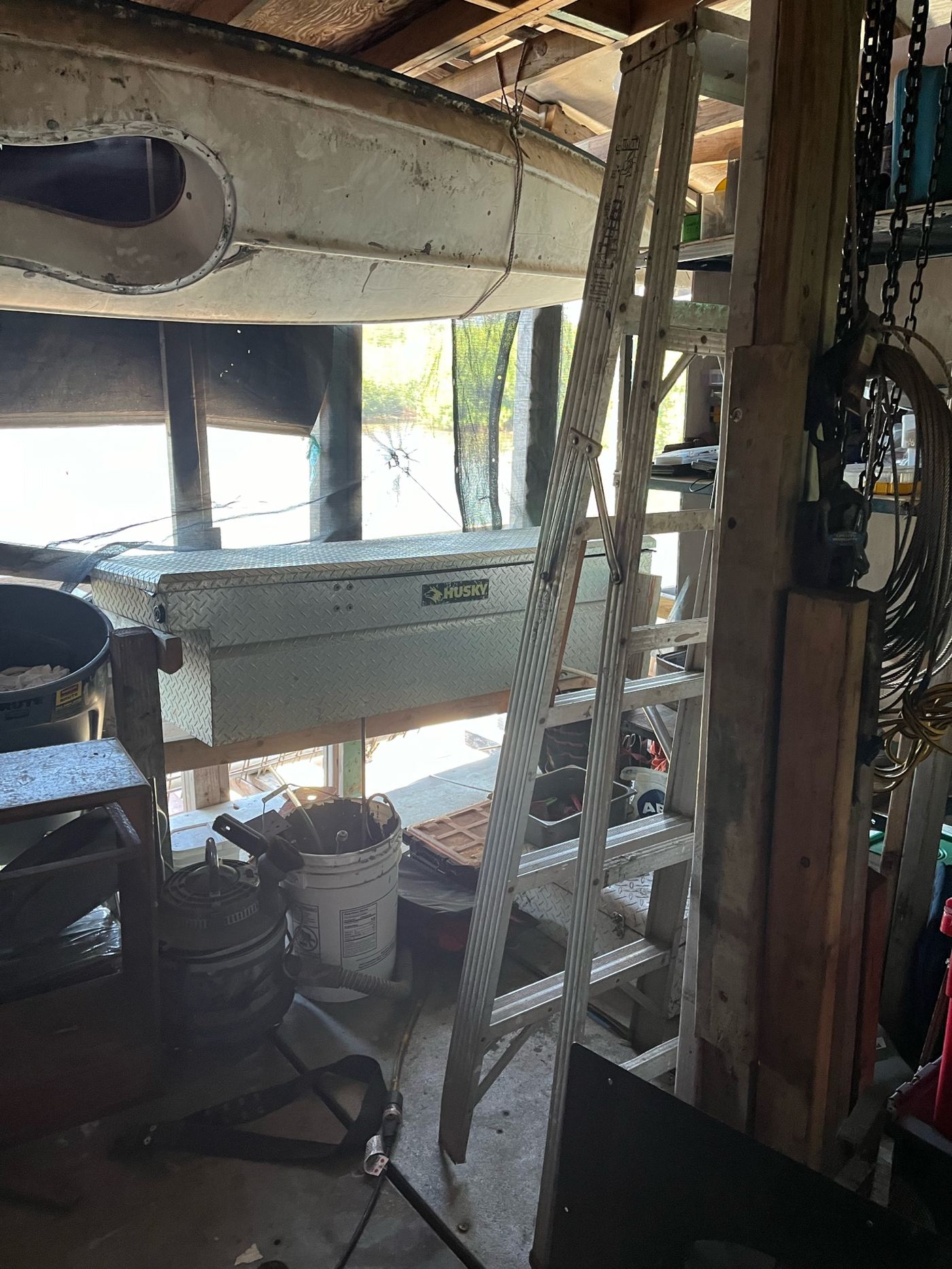
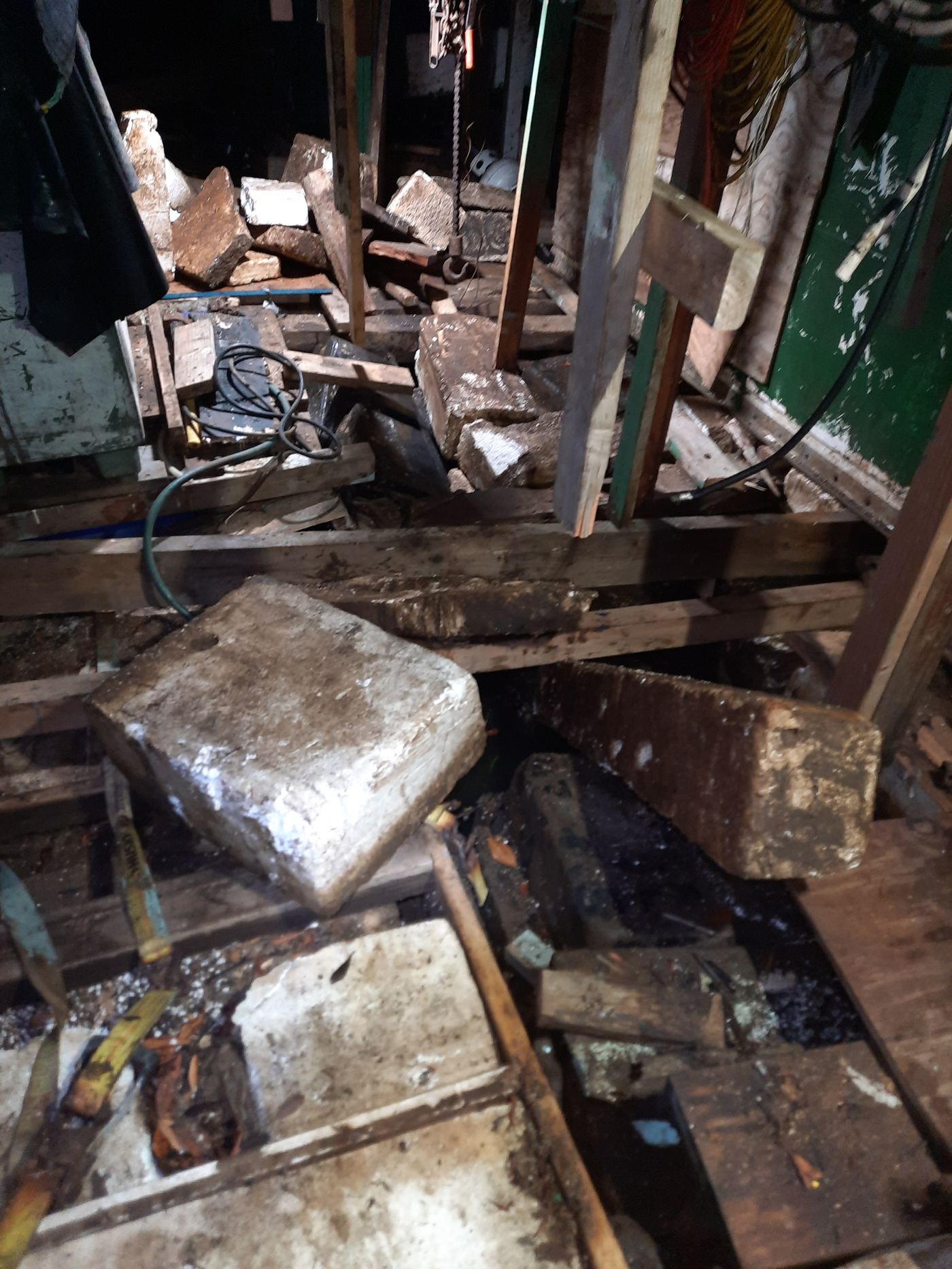
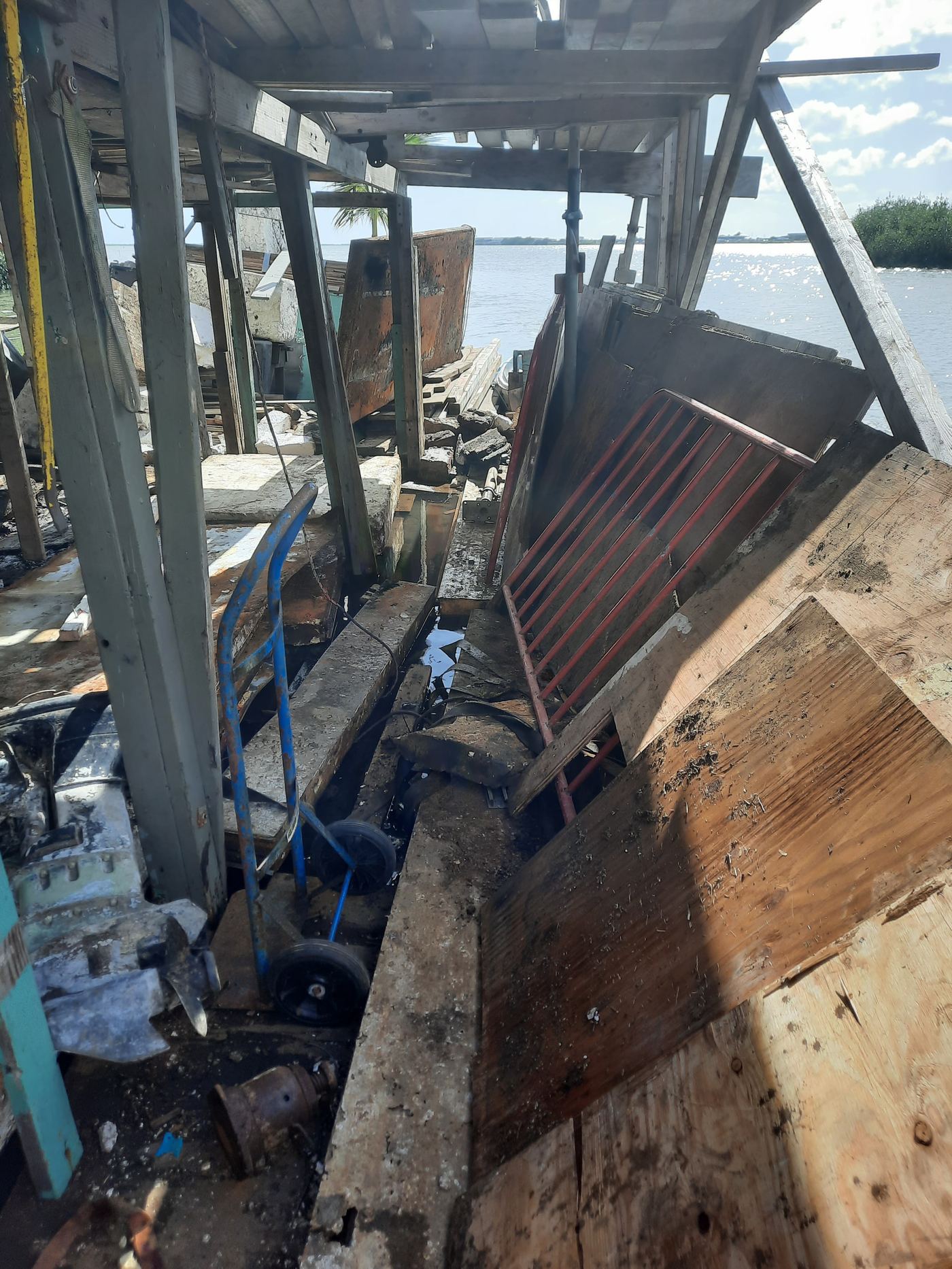
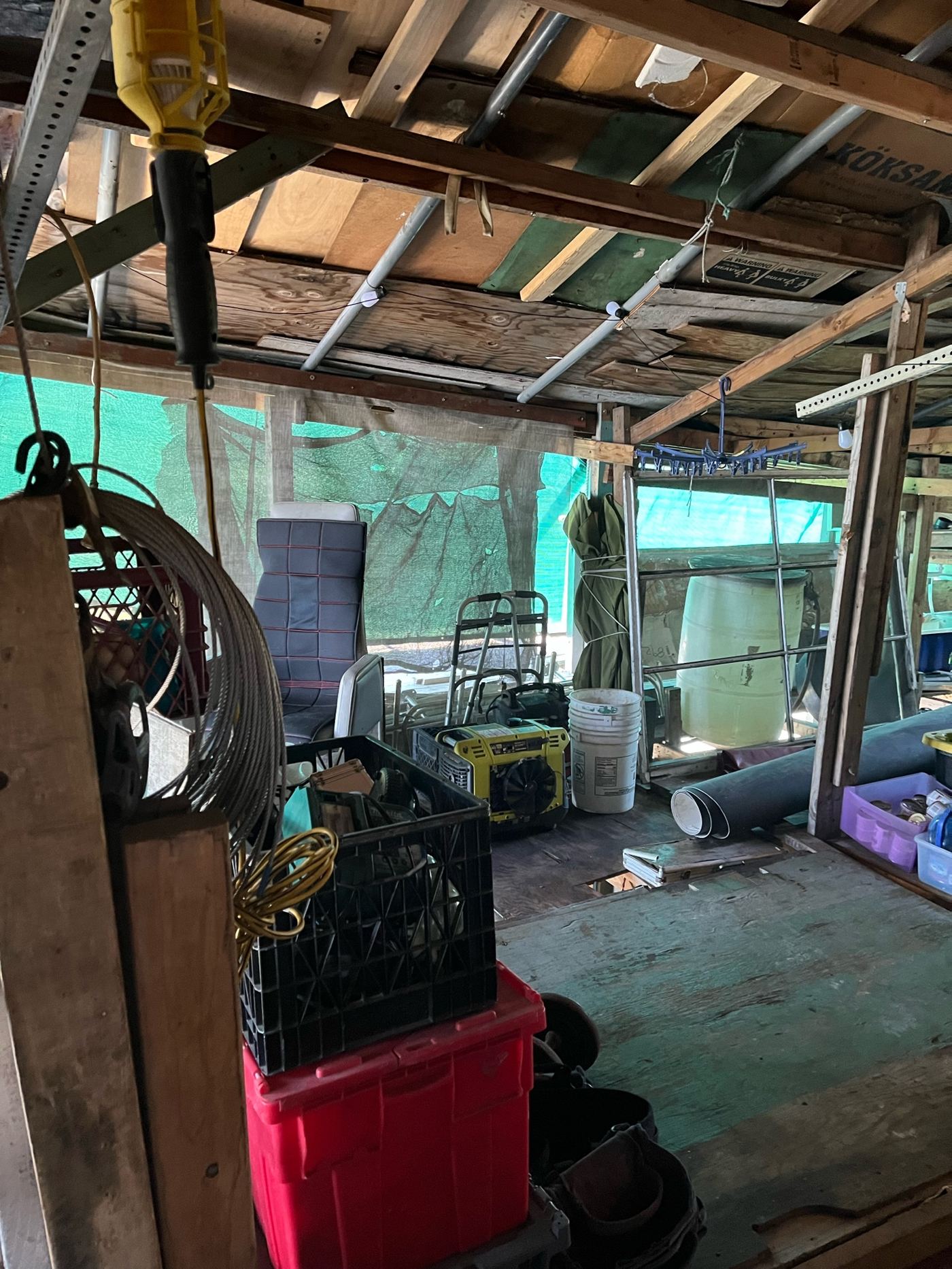
Ke'ehi Stream • Kalihi, Honolulu, Hawaii

The Floating Home
Built by One Person

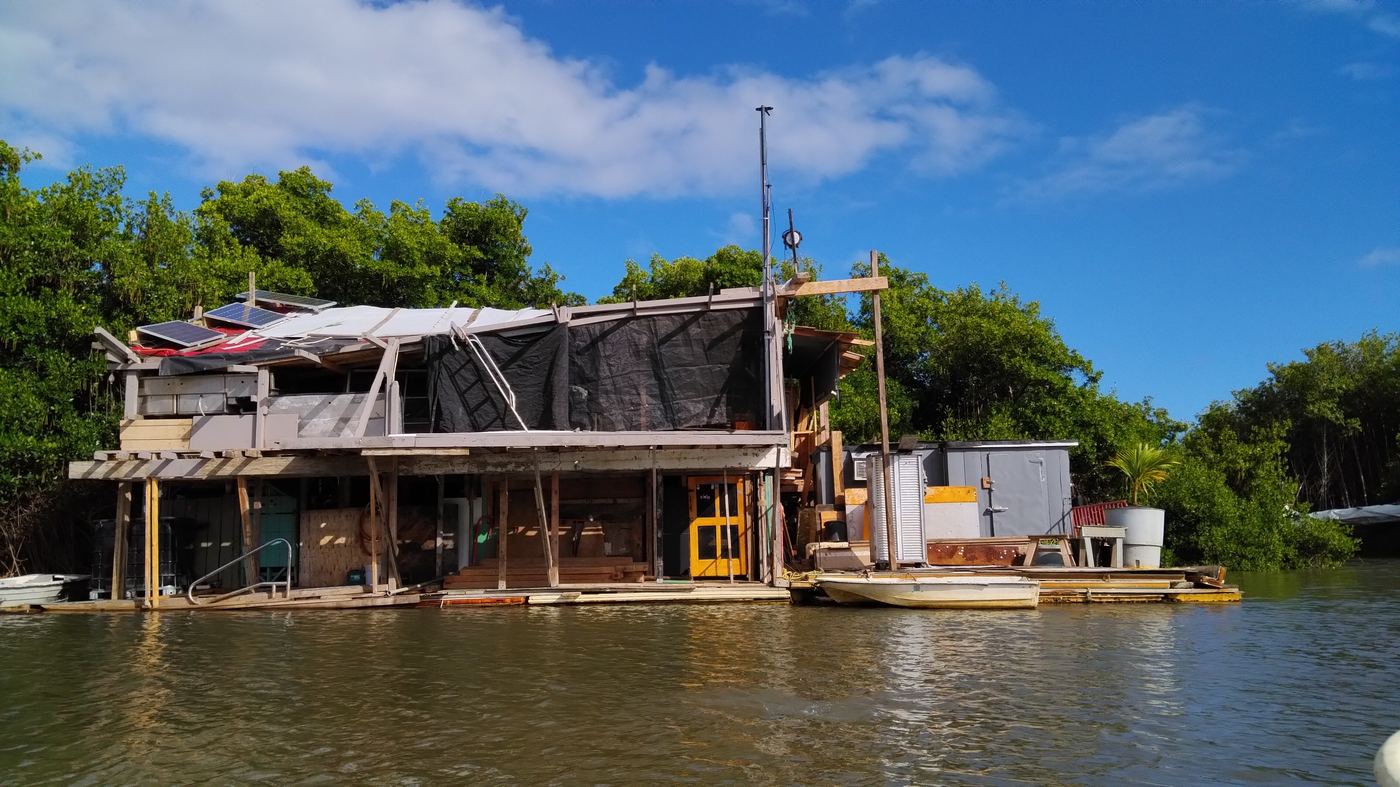
A two-story off-grid floating home — hand-built from salvaged materials on the waters of Ke'ehi Stream. Designed, constructed, and lived in for 10 years by its builder. Solar electricity. A propane stove. Hot running water. A real shower. A flushing toilet. A living ecosystem.

Read the Full Story
↓ Scroll to explore

From the Water Up — A Fully Functioning Home

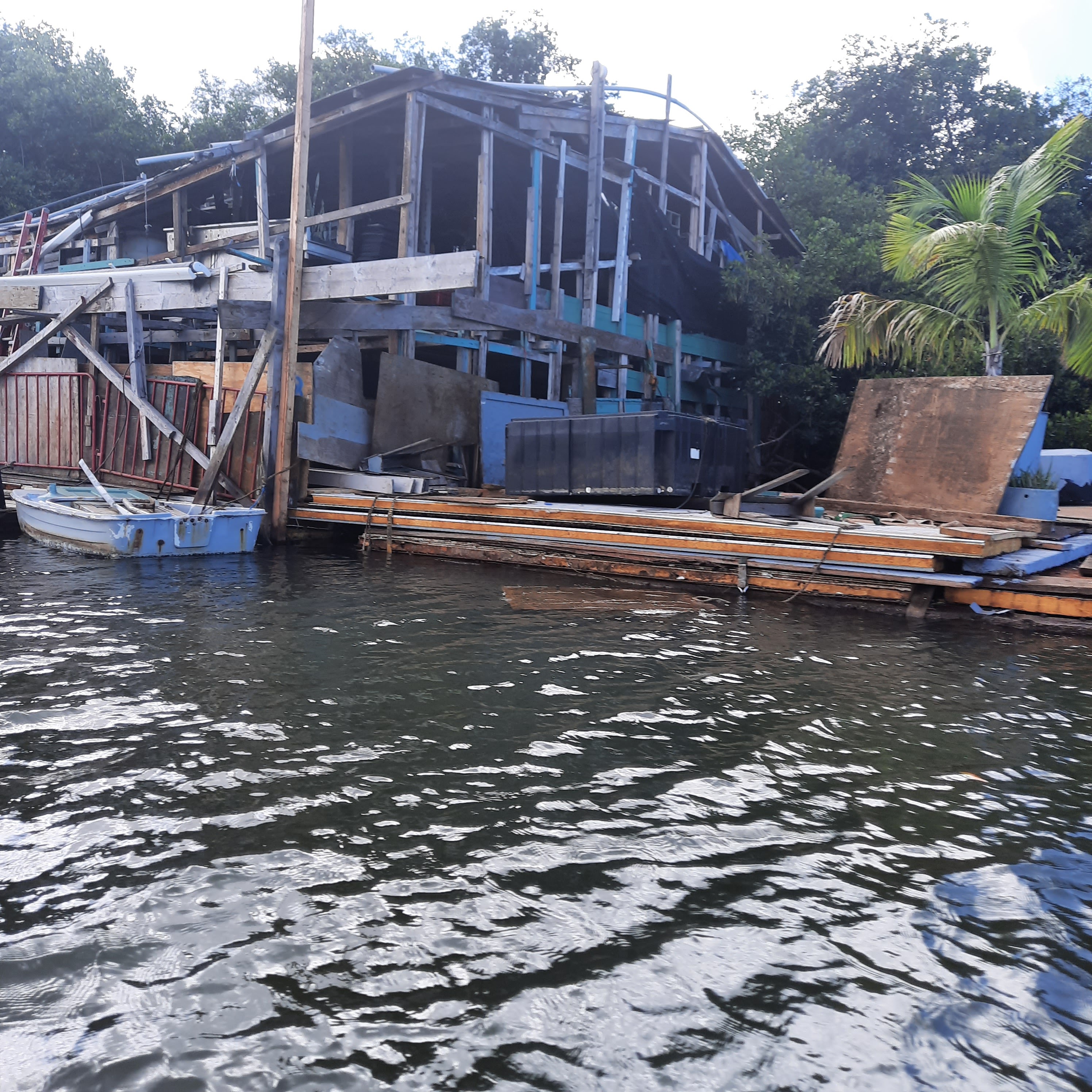
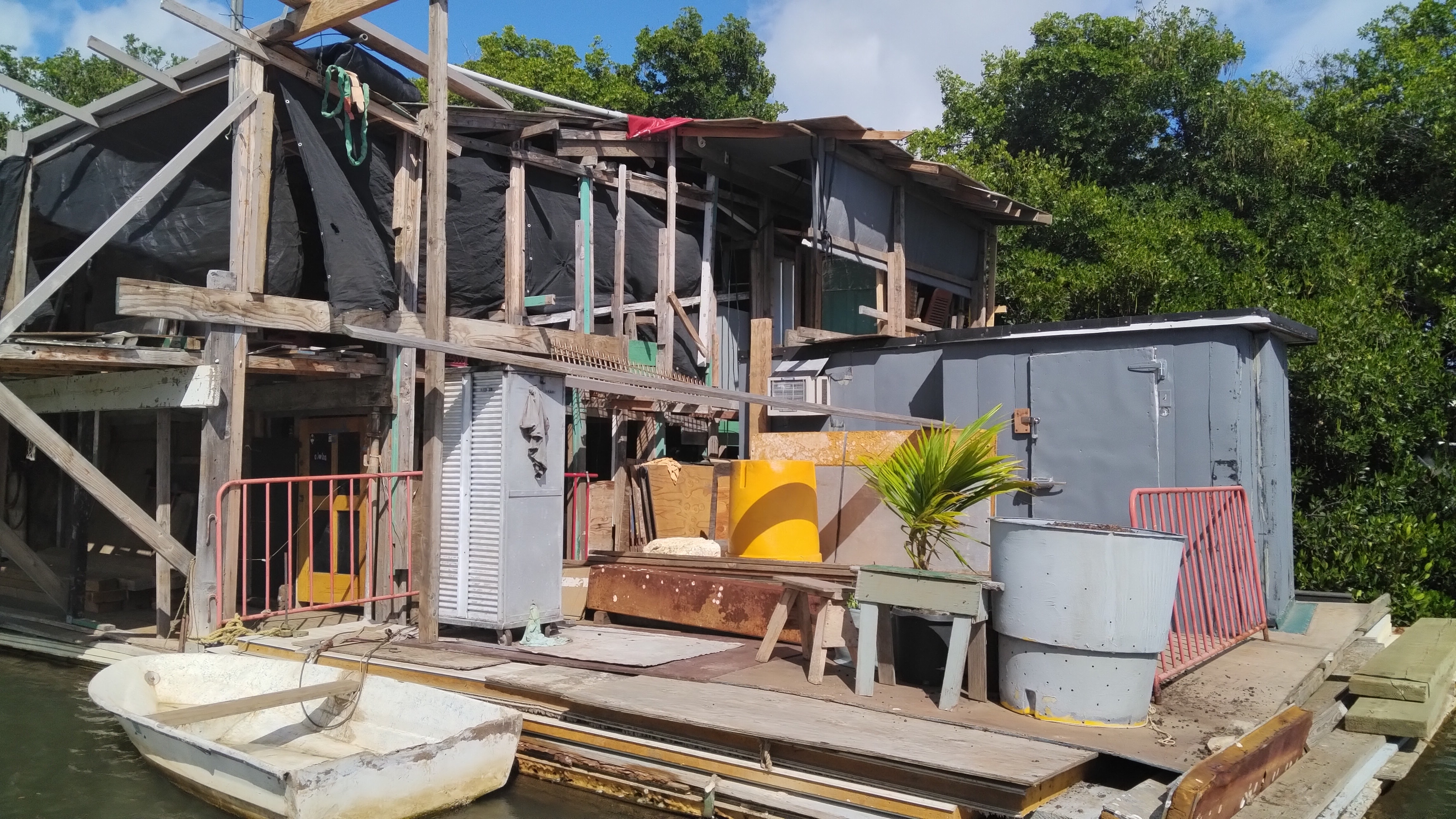
What you see in these photographs is not a rough shelter or a temporary structure. It is a fully functioning, self-sufficient home — built entirely by one person's hands from salvaged materials, on the water, without a contractor, without a utility connection, and without anyone's permission, order to leave, or notice to vacate the area.

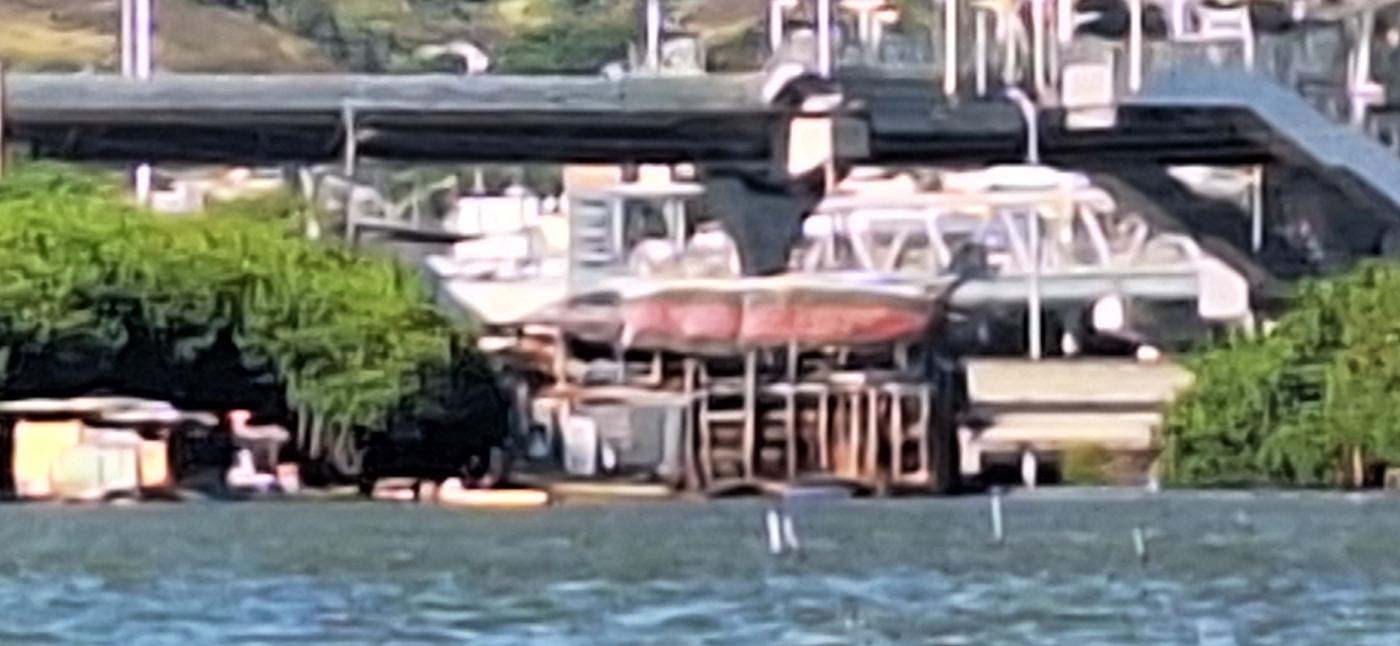
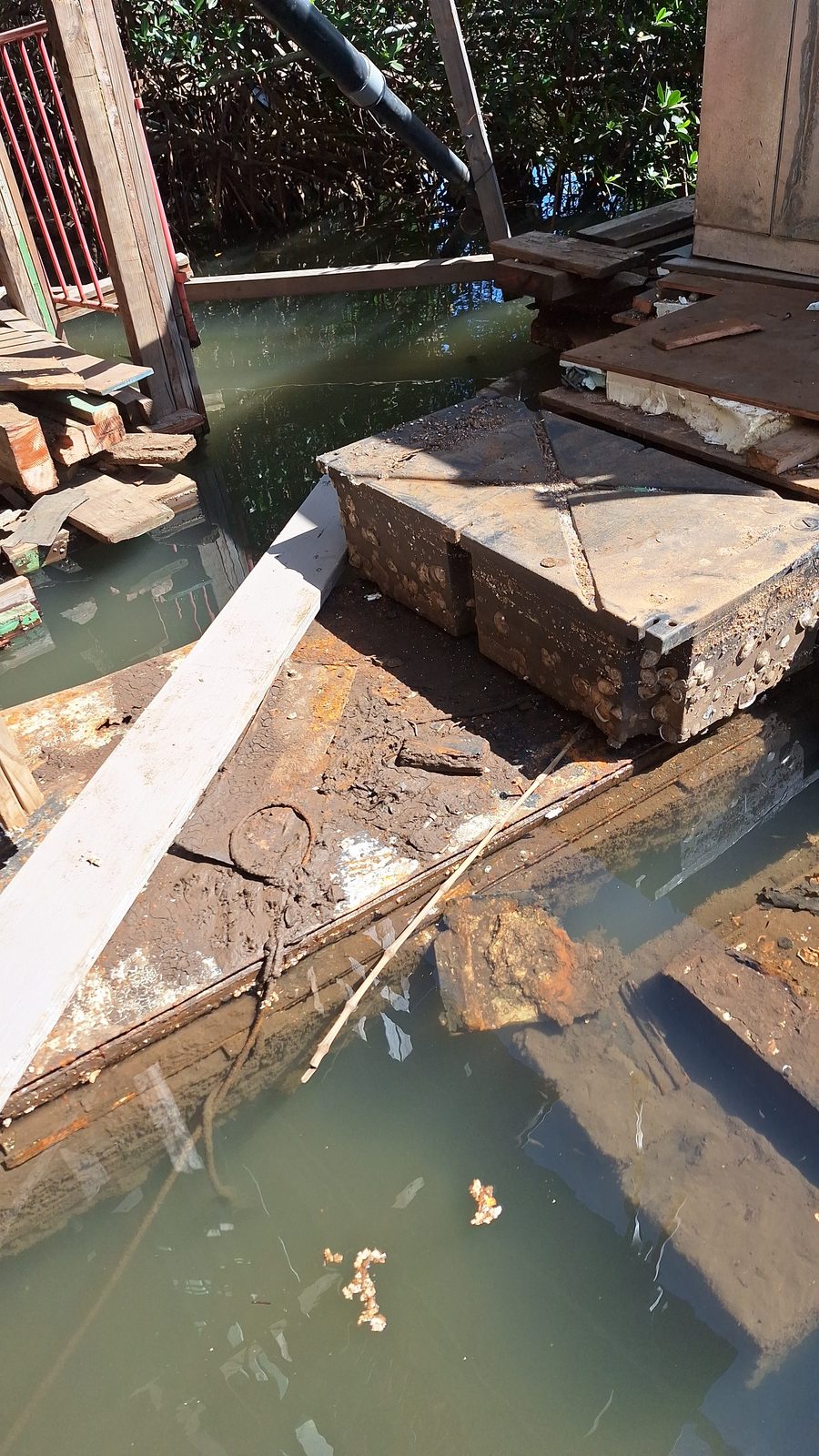
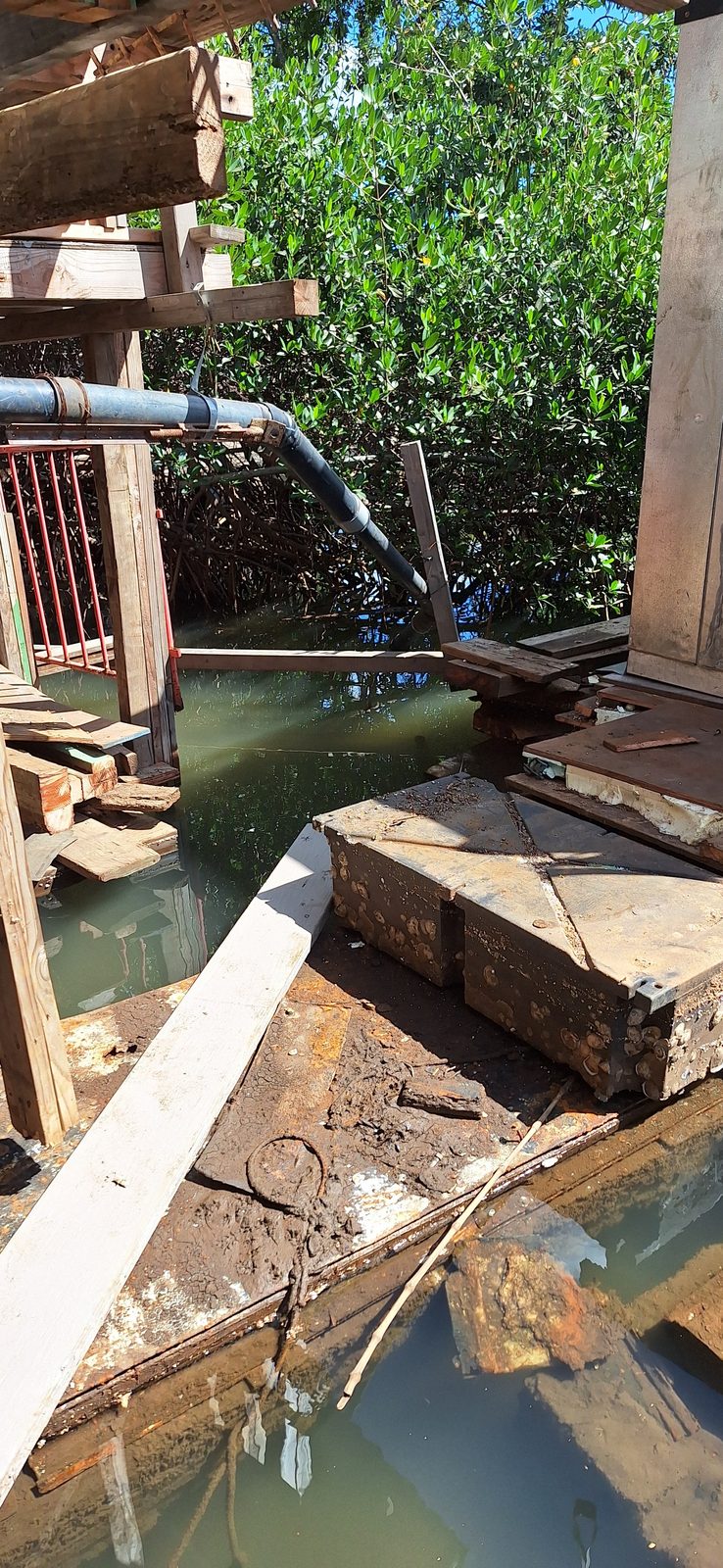
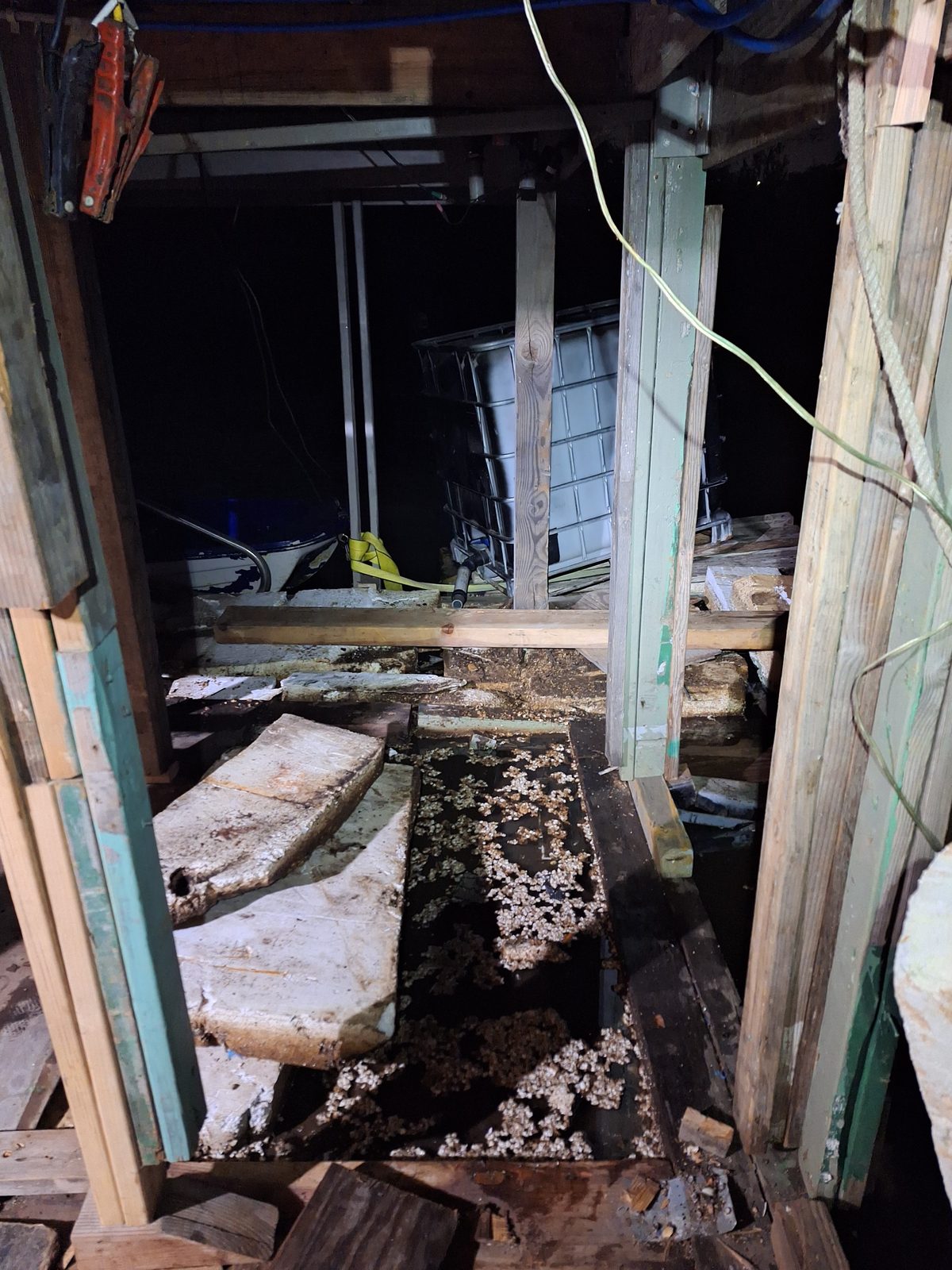
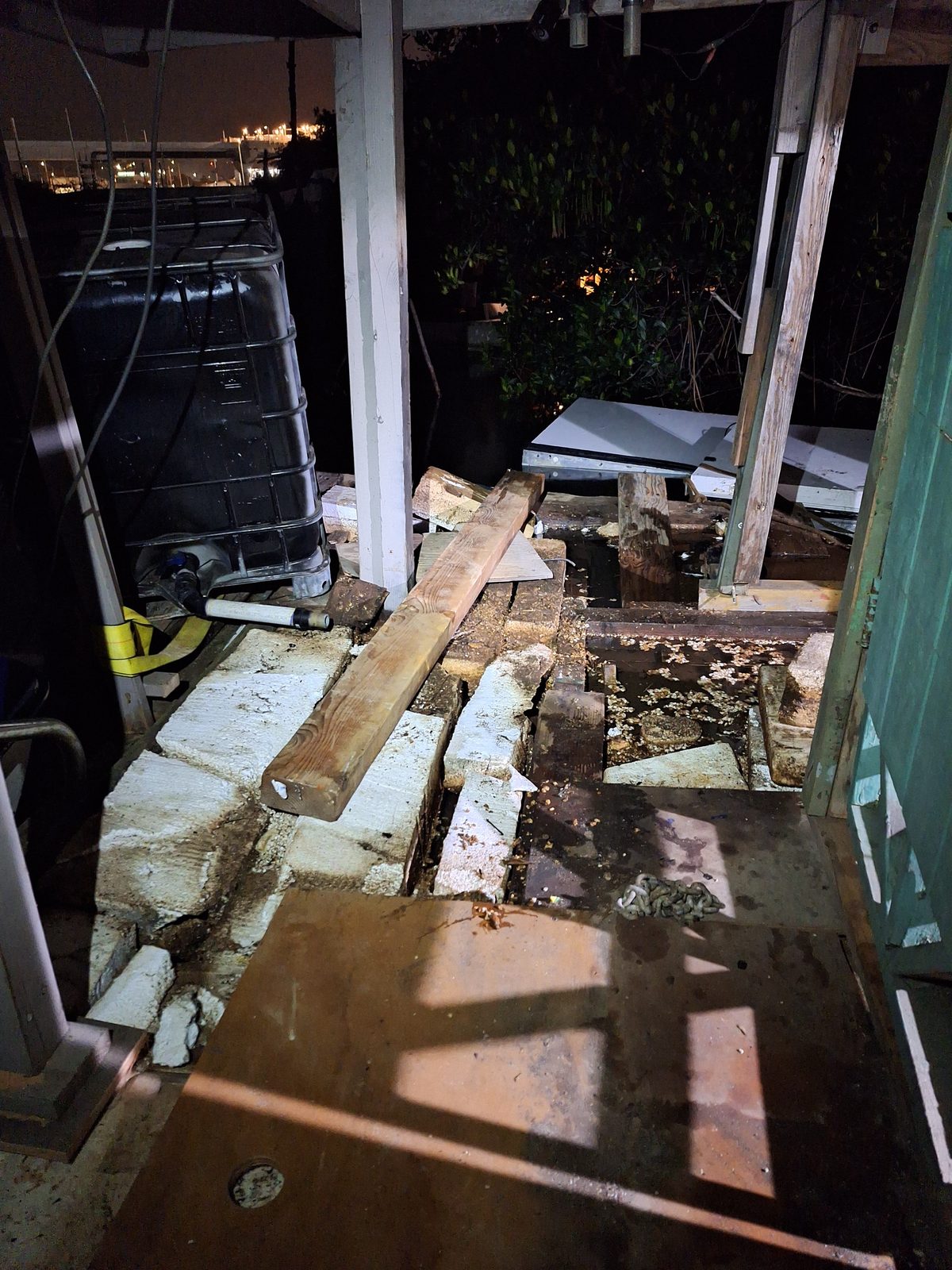
Situated on Ke'ehi Stream in the Kalihi district of Honolulu, Hawaii, this two-story floating home was the builder's primary residence for a full decade. At its full size, the structure totaled 1,200 square feet — a 900 sq ft two-story main residence plus a 300 sq ft extension that housed an 8×10 walk-in freezer repurposed for dry storage. It floated on a carefully engineered foundation of styrofoam flotation blocks and recycled pontoons, anchored along the north bank of the stream, extending nearly halfway across the waterway.

"I built this house and lived in it for 10 years. We had drinkable running water, a hot shower, and a flushing toilet. I fed large tilapia with all our food scraps — and the tilapia also consumed the toilet waste. It was a complete, closed-loop system."

— The Builder

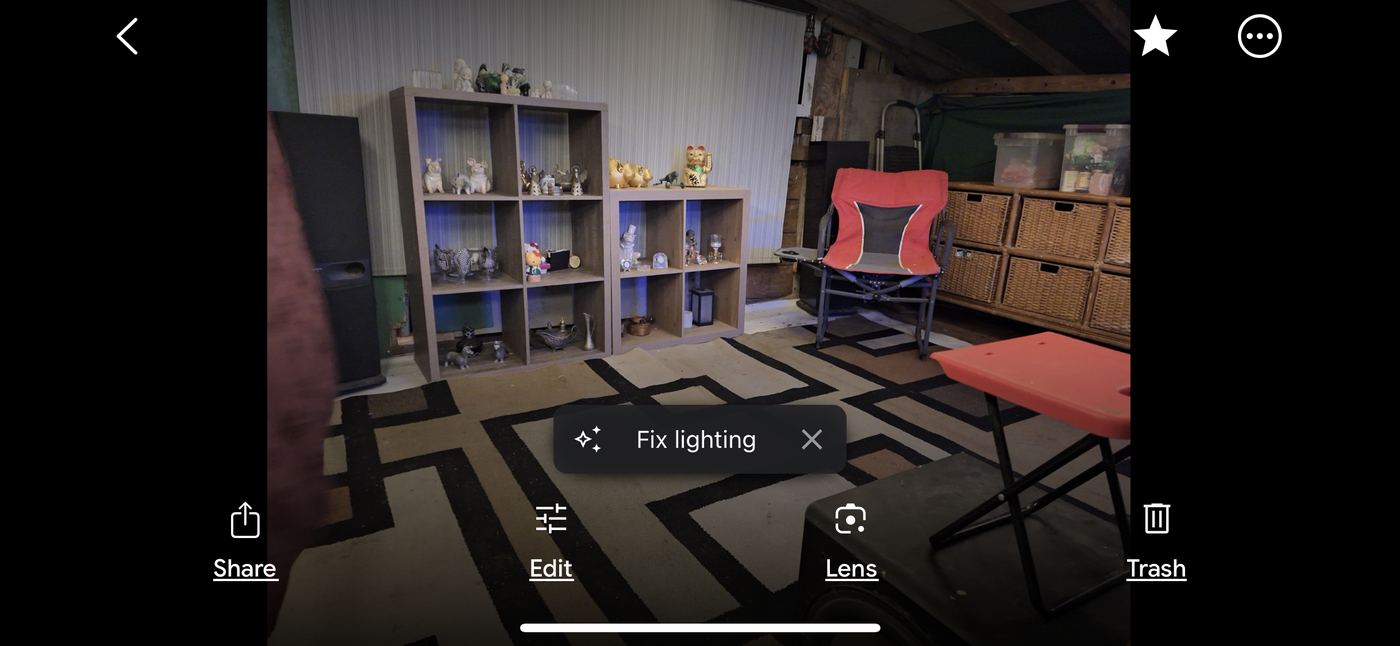
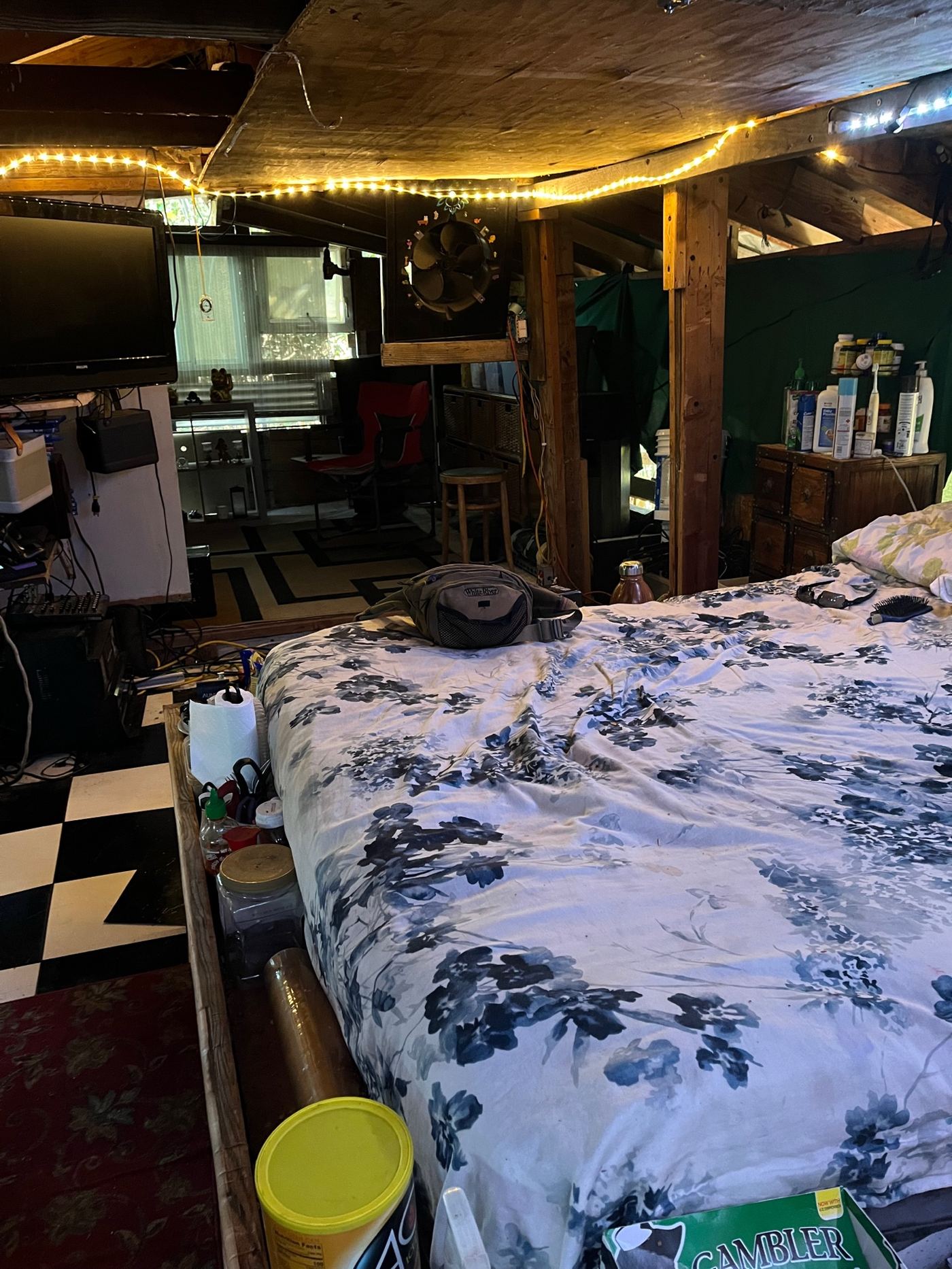
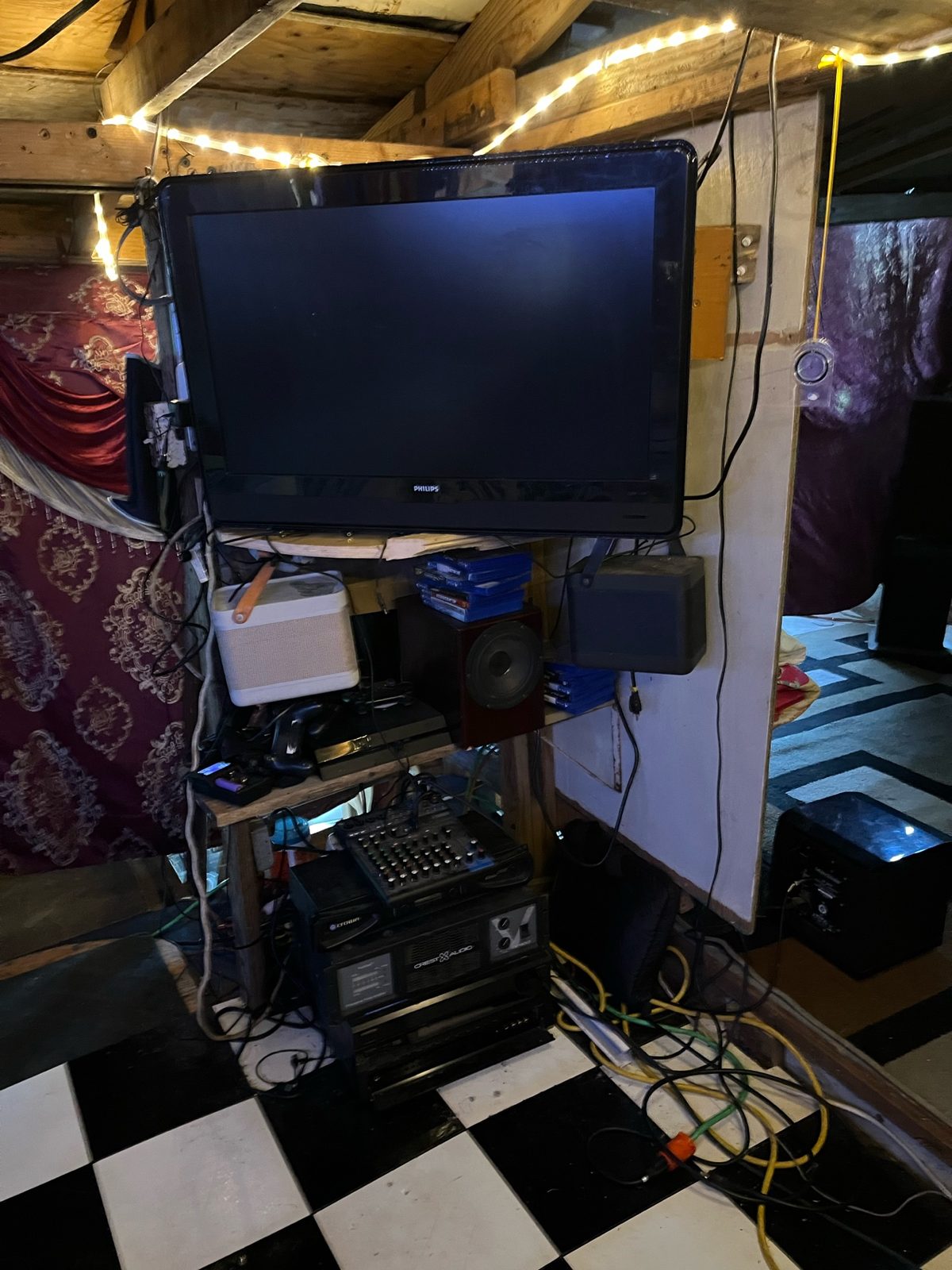
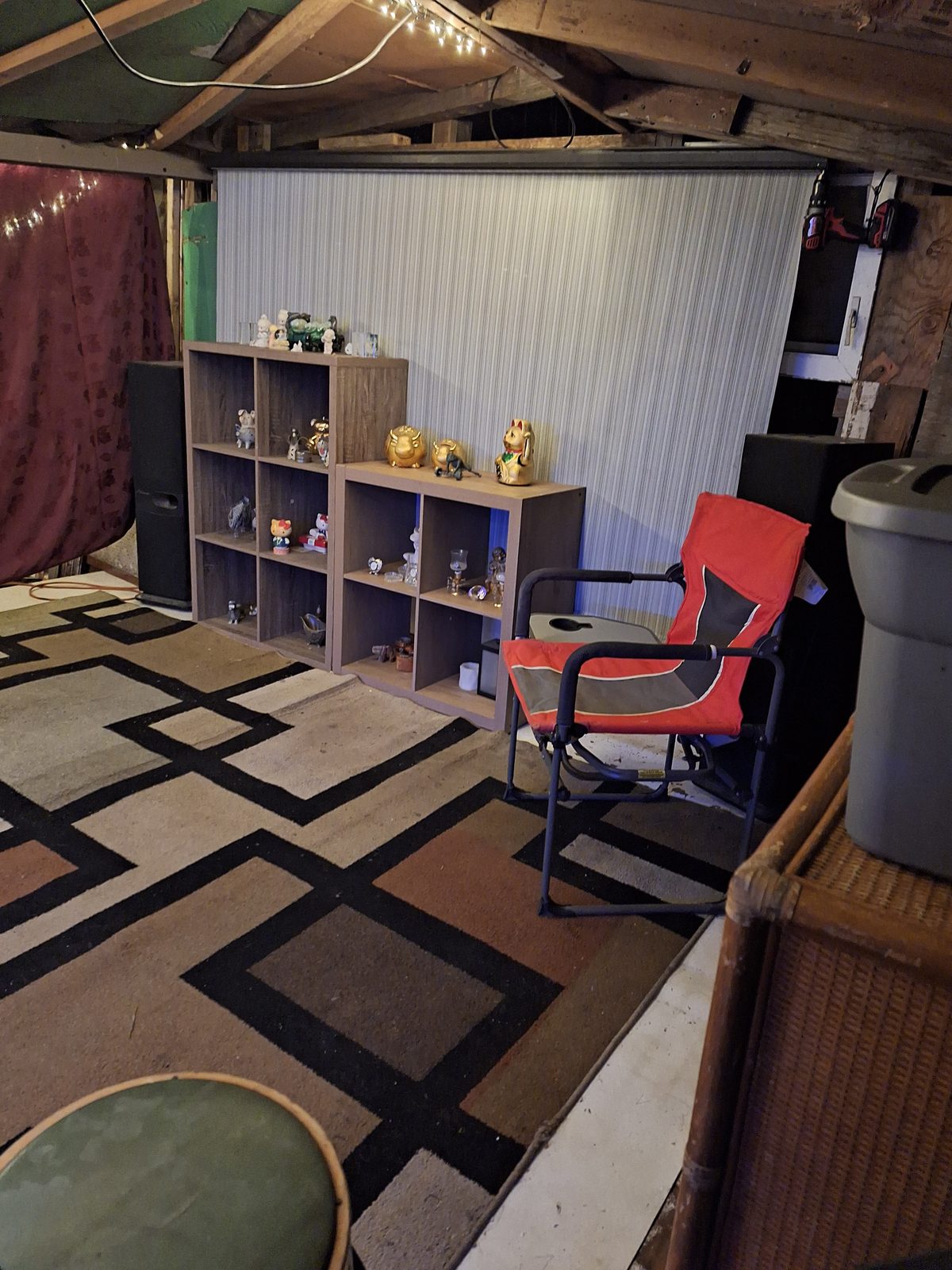
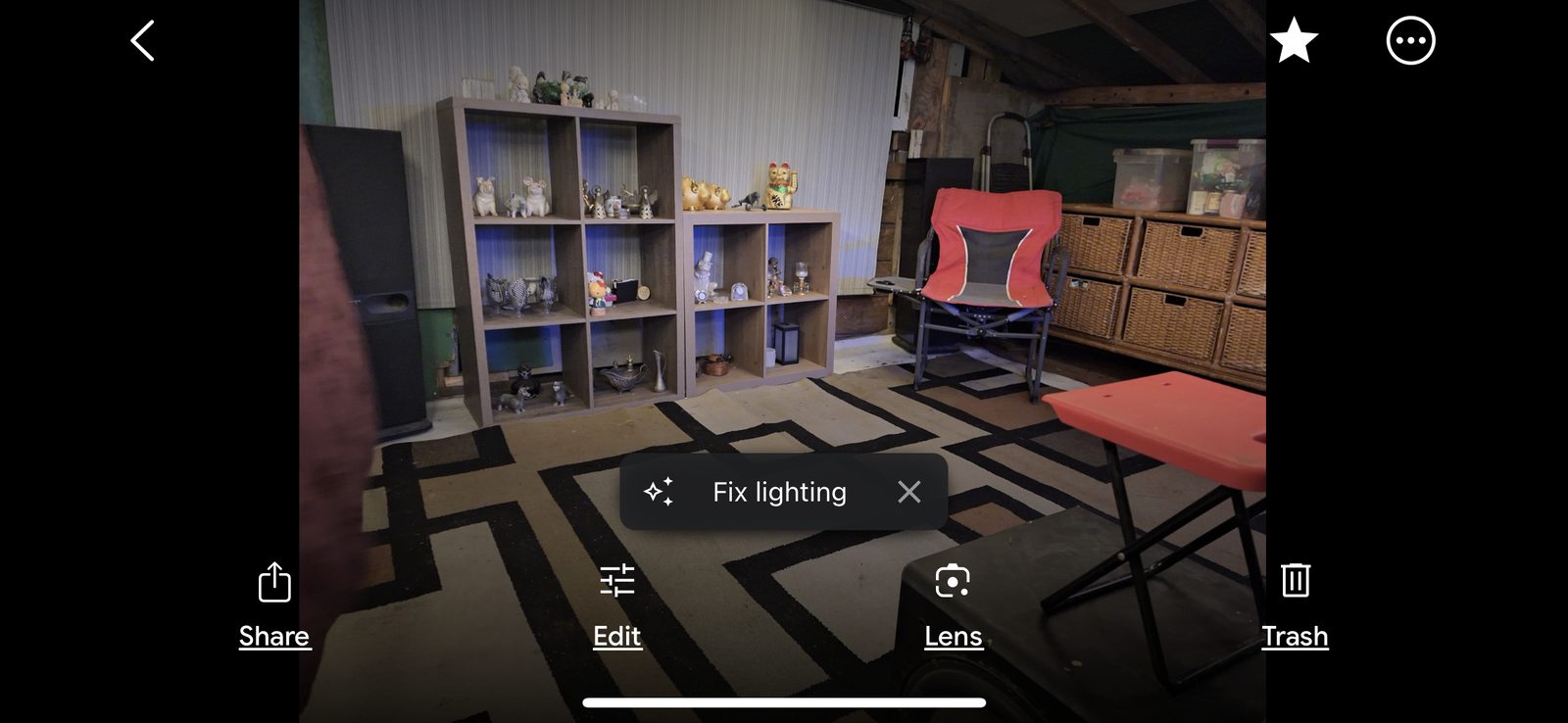
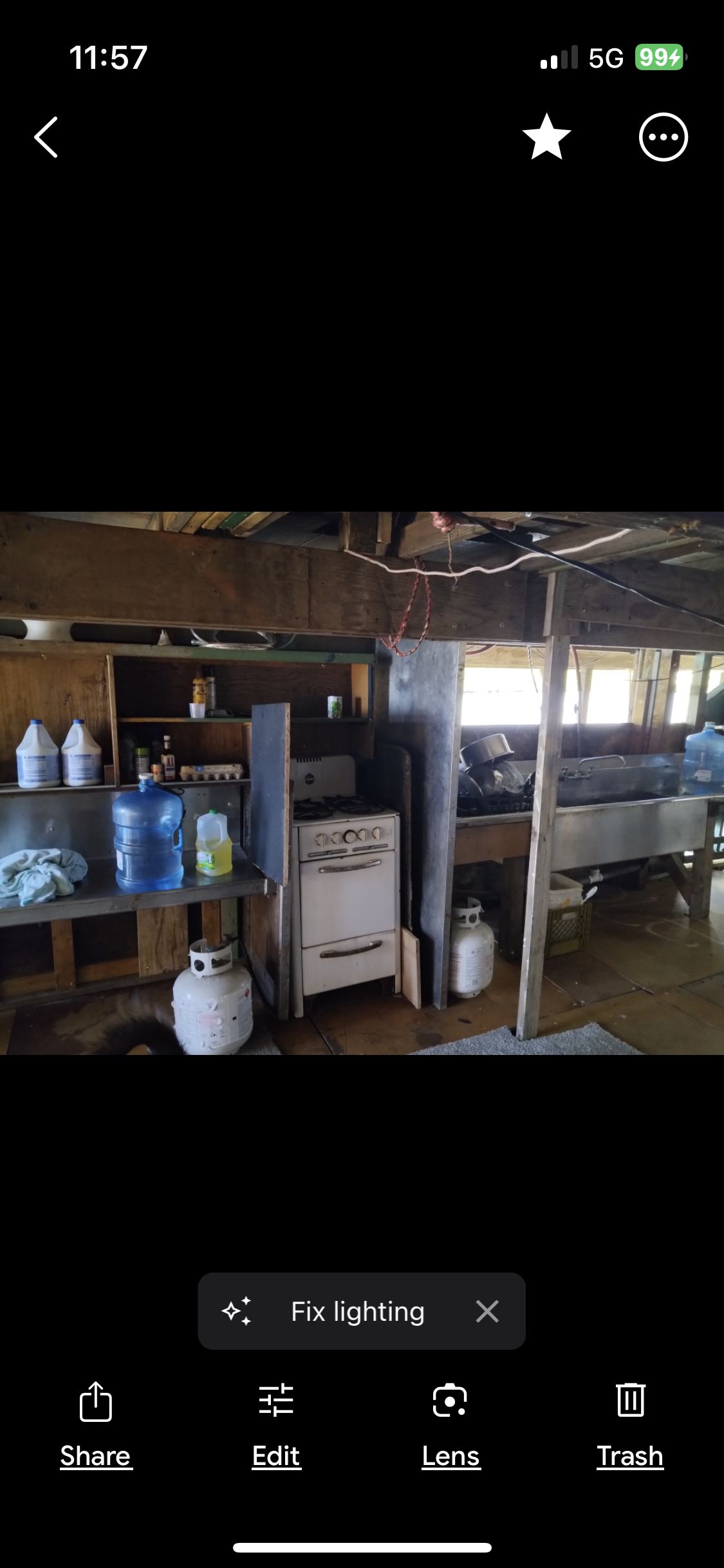
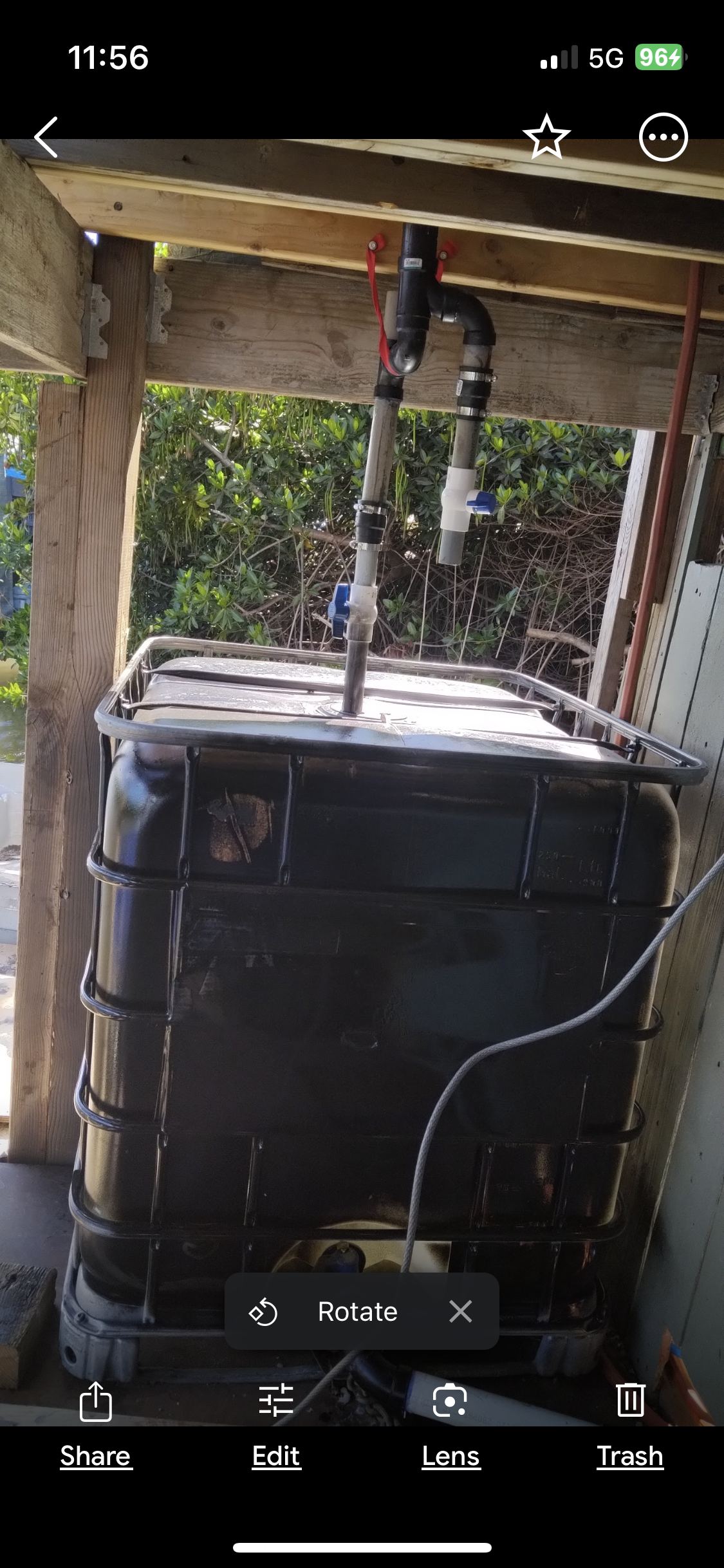
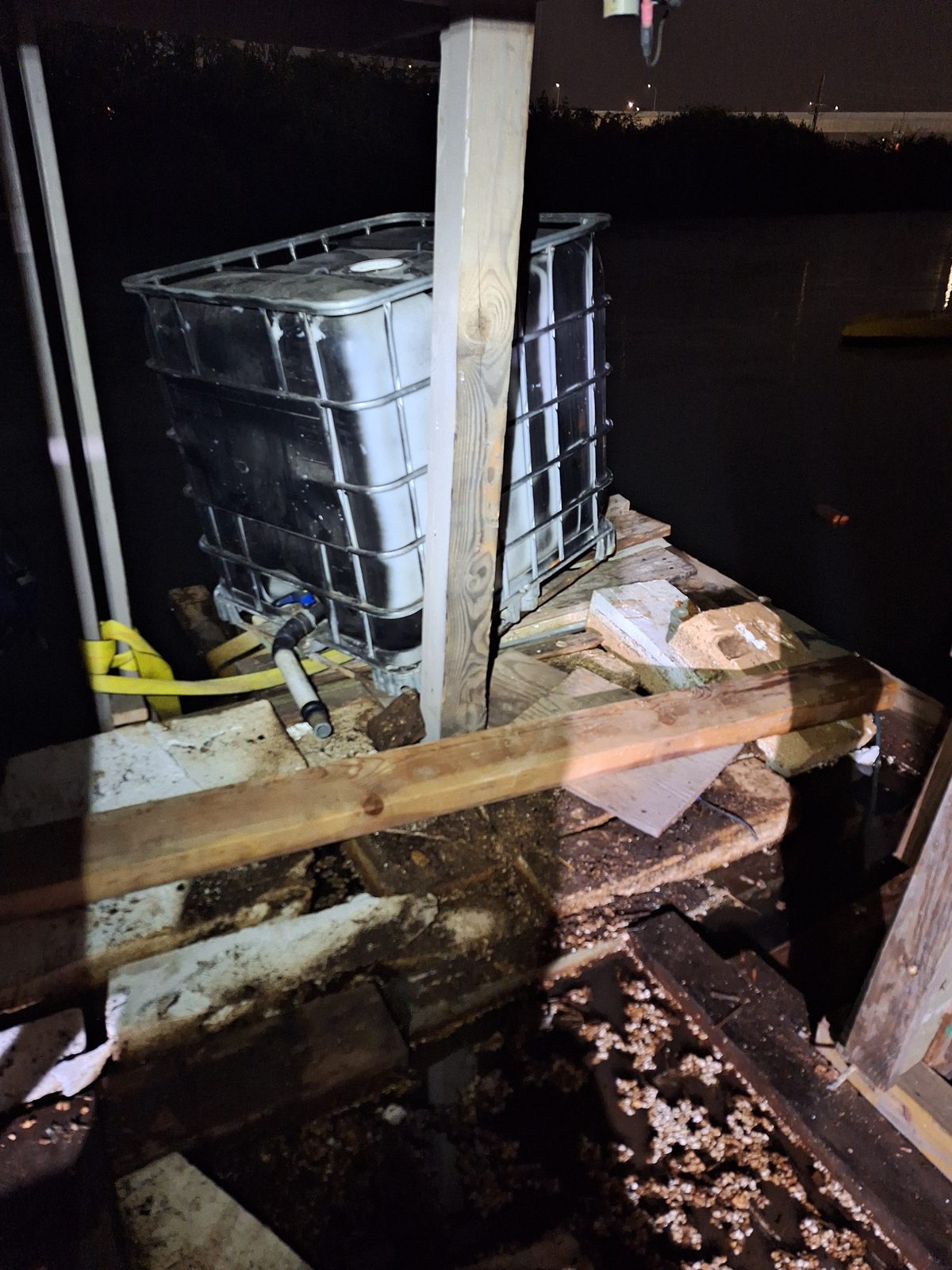
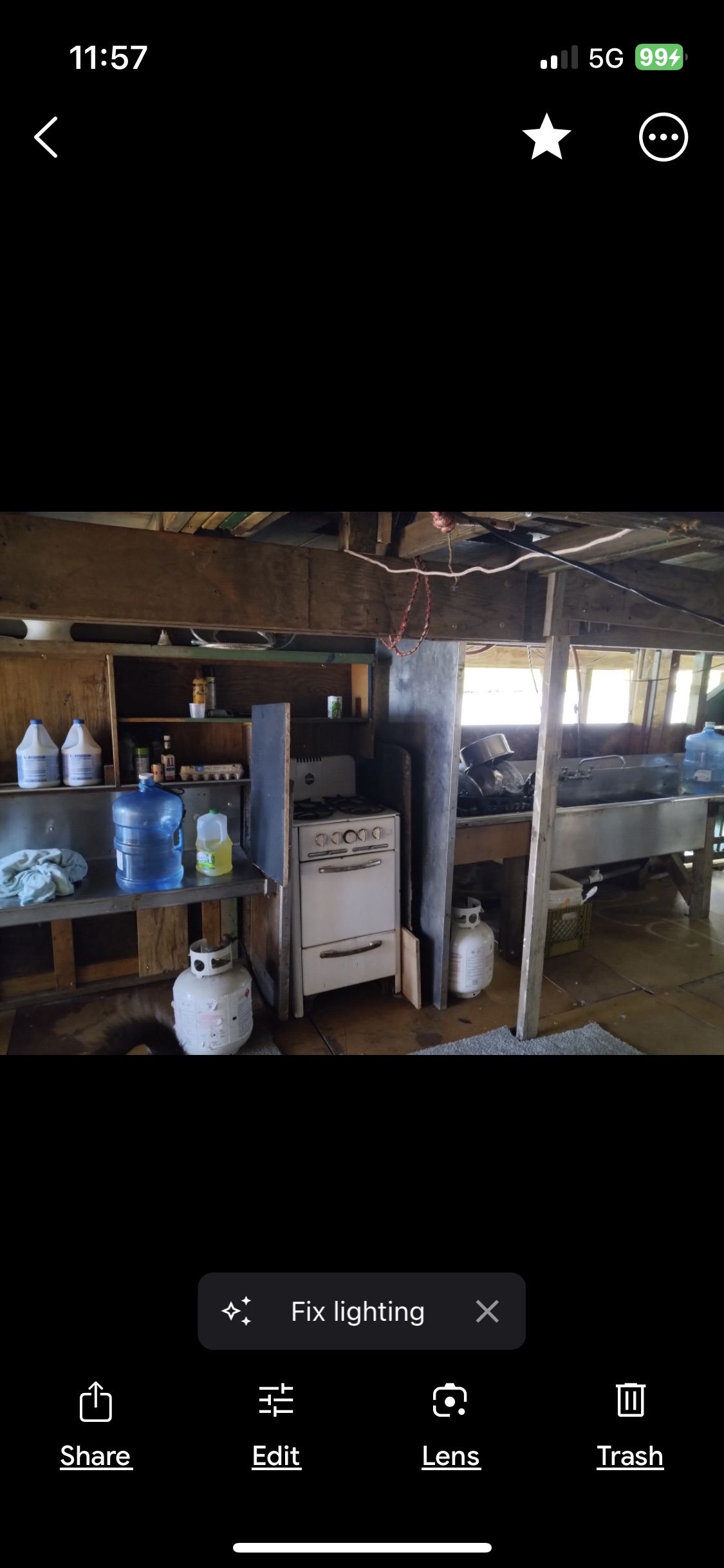
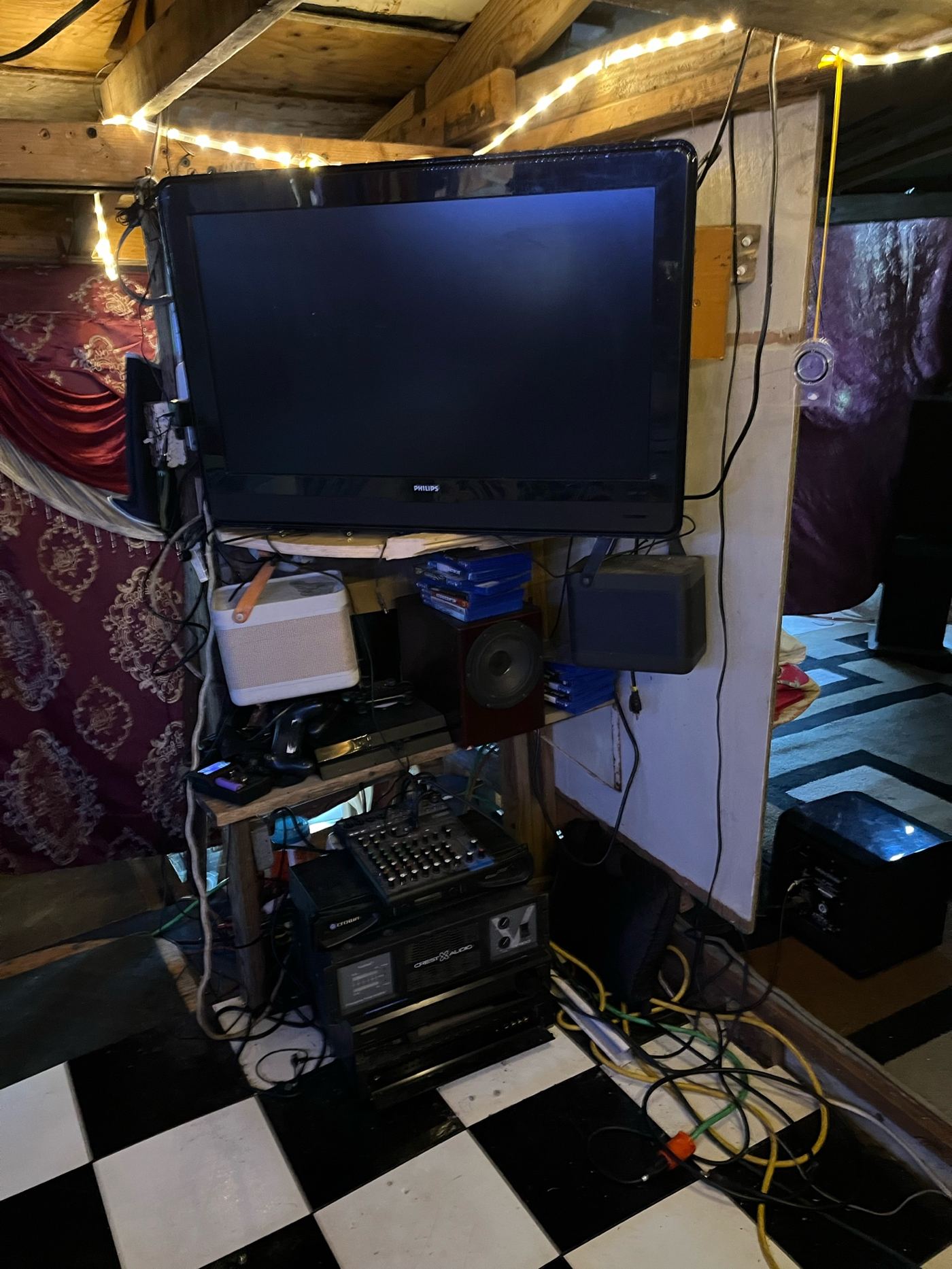
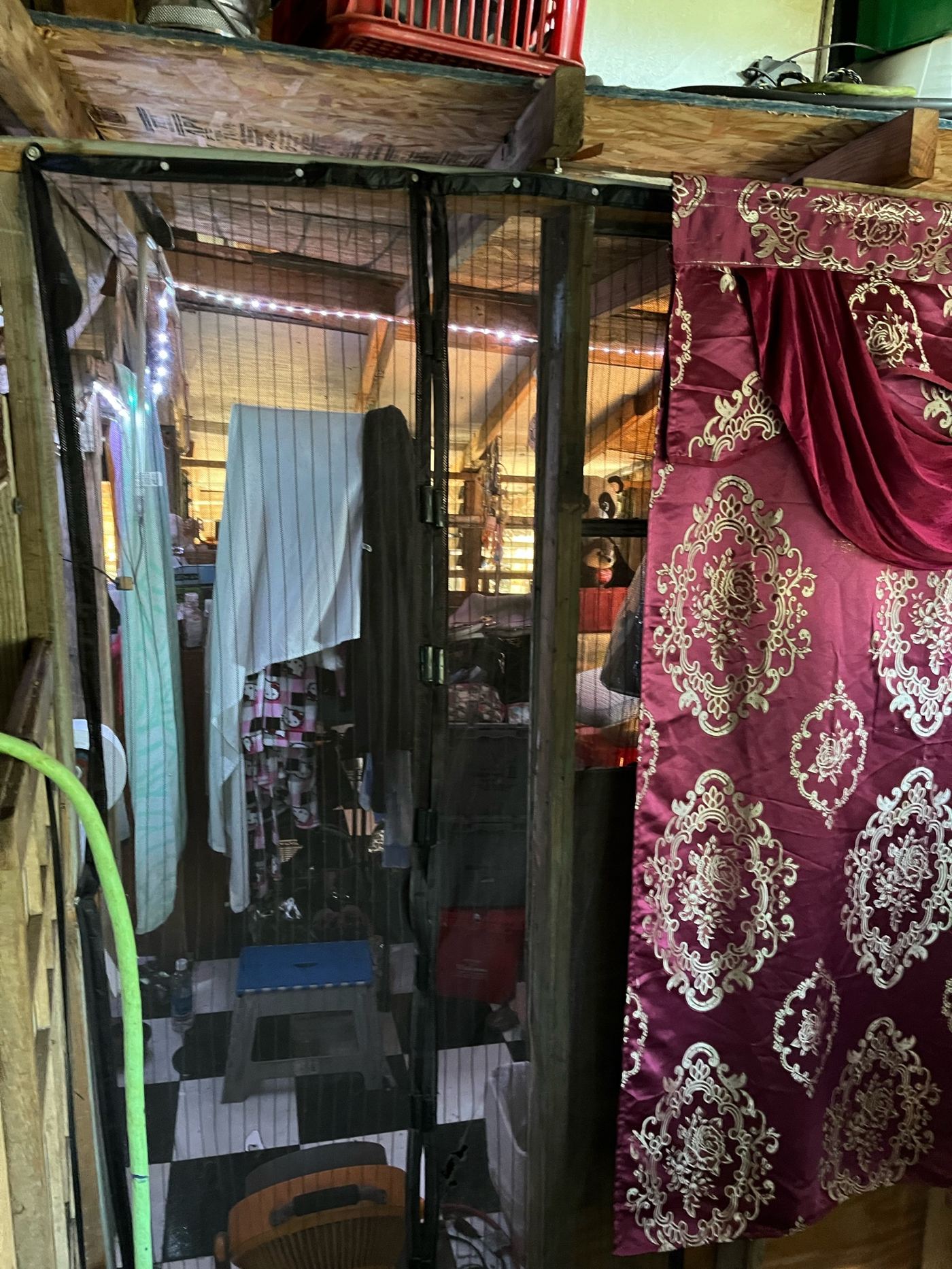
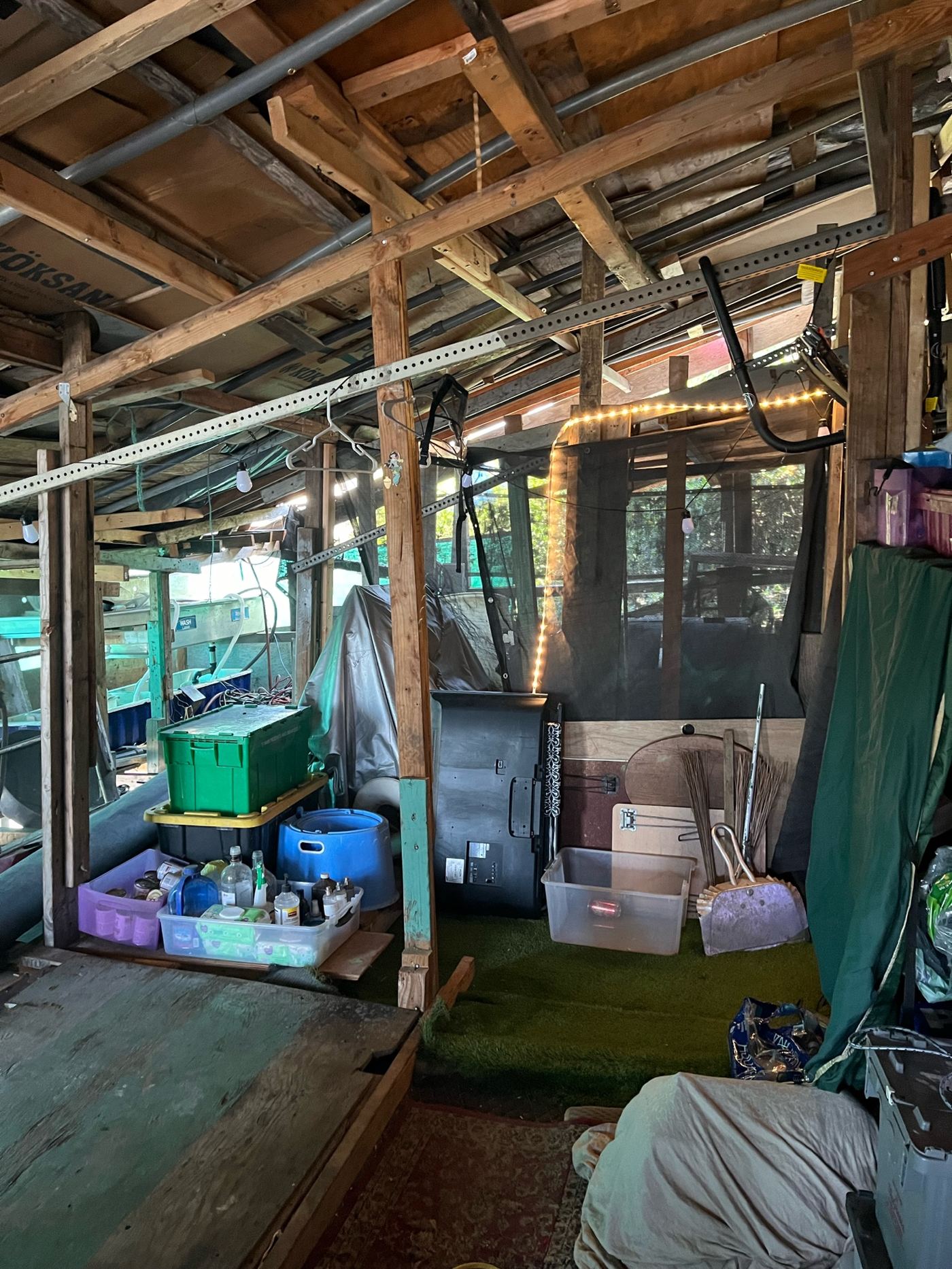
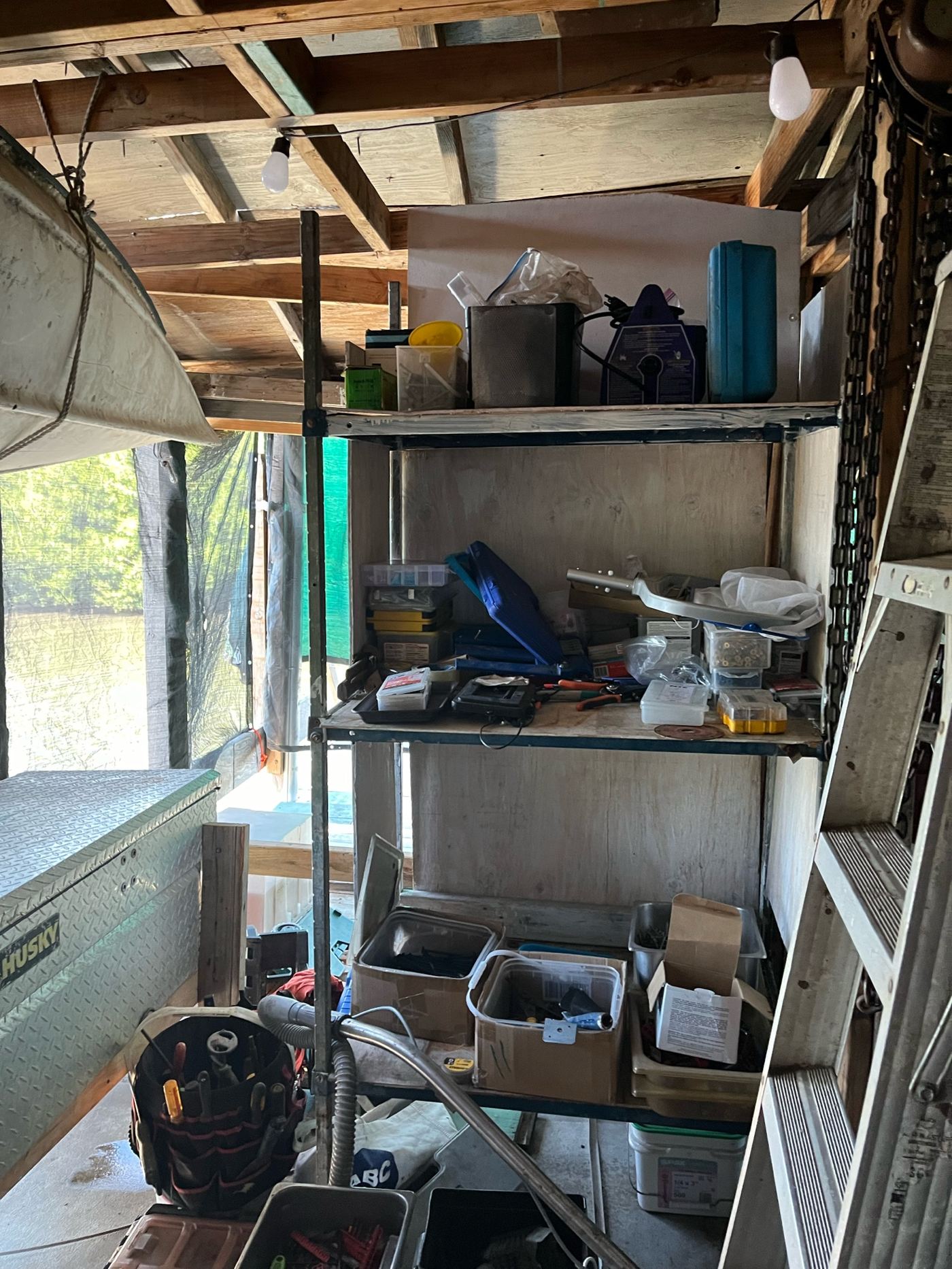
The home was not merely habitable — it was genuinely comfortable and remarkably well-engineered. The living room featured decorative shelving, a patterned rug, and personal collections. The bedroom had a full-size bed with fairy lights strung along the ceiling beams, a television, and a fan. The kitchen had a gas stove, a stainless steel sink with running water, and organized shelving for food and supplies. Rainwater was collected from the roof, stored in a large IBC tote tank, and filtered for drinking. A propane water heater provided hot water for the shower.

City officials who visited the site described the construction as "impressive" — noting that it was the only structure in the area that actually floated. A local news segment by Hawaii News Now called it the "Floating Monster Home" — a name that speaks to its scale and ambition far more than anything else.

10 Years Lived In
1,200 Square Feet
2 Stories Tall
100% Hand-Built
Off-Grid Solar & Rainwater

A Fully Self-Sufficient Home

Far from a simple shelter, this floating home was a complete, off-grid dwelling with every amenity of a conventional house — all built without professional contractors, using only salvaged materials and the builder's own ingenuity.

Solar Power

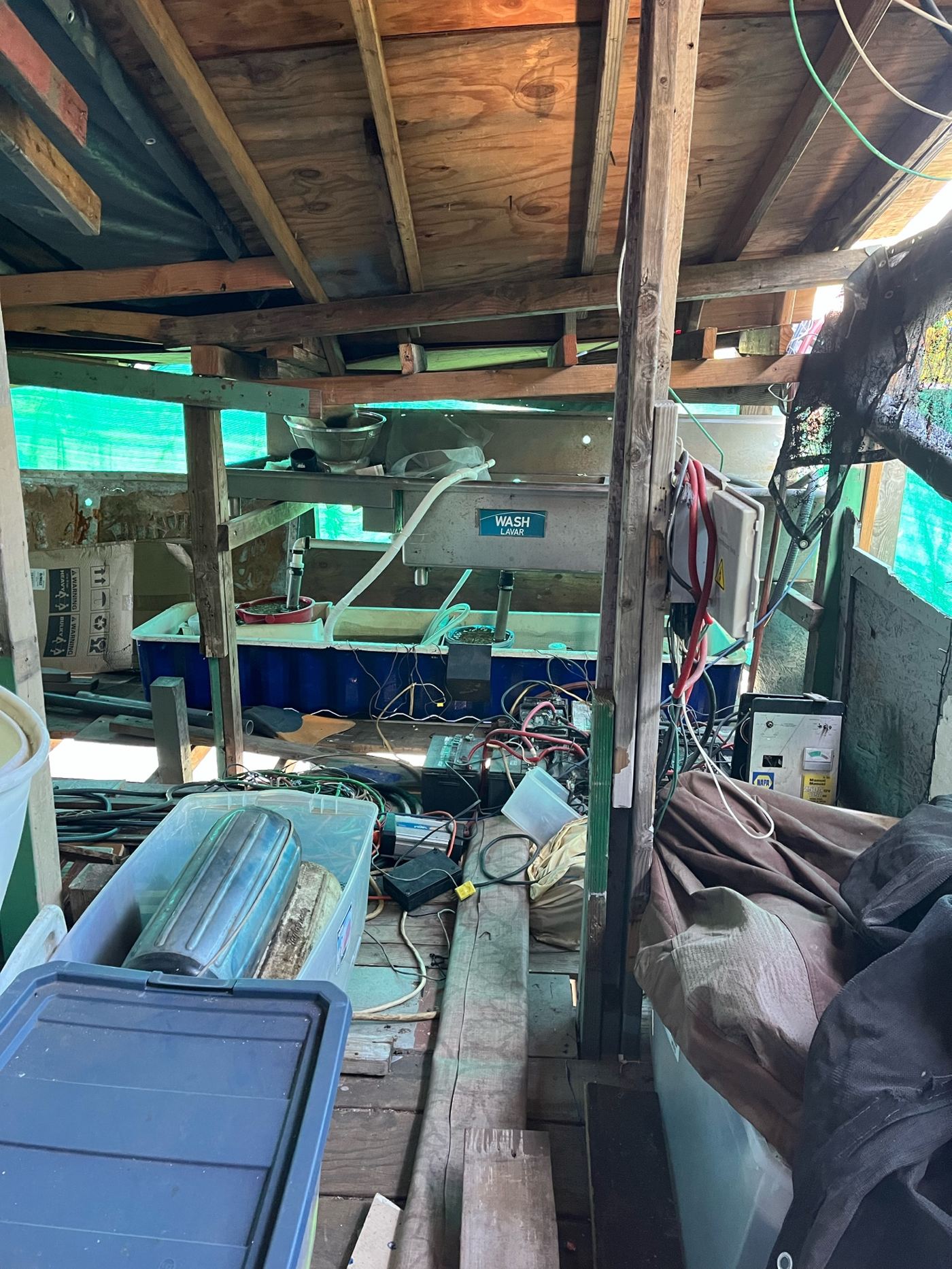
Solar panels on the roof provided all electricity — powering lights, a television, fans, audio equipment, and charging stations with no utility connection.

💧

Drinkable Running Water

Rainwater was collected from the roof, stored in a large IBC tote tank, and passed through a multi-stage filtration system to produce clean, drinkable water on tap.

🚿

Hot Shower

A propane water heater provided hot water for a real shower — a level of comfort that most people would not expect from a hand-built floating home.

🏠

Flushing Toilet

The home had a fully functioning flushing toilet. Waste emptied into the river, where a thriving population of large tilapia consumed it as part of a natural waste-processing system.

🐟

Tilapia Ecosystem

A large school of tilapia were fed all food scraps from the kitchen and also consumed toilet waste — creating a complete, closed-loop biological waste system that was entirely natural.

🌊

Floating Foundation

The structure floated on an engineered base of styrofoam flotation blocks and recycled pontoons — continuously maintained and expanded over the years to support the growing structure.

Dock & Boat Access

A front dock provided water access via kayak and small boats, serving as the primary entry point to the home from the stream.

🔧

Salvaged Construction

Nearly every component — lumber, windows, appliances, plumbing, and fixtures — was sourced from salvaged or repurposed materials, making this a masterclass in resourceful building.

A Decade on the Water — and What Came After

This is not just the story of a house. It is the story of what one determined person built, lived, and was ultimately forced to leave — and what they did to survive the pressure to go.

Construction Begins — North Bank of Ke'ehi Stream

The builder begins assembling the floating platform on the north side of Ke'ehi Stream in Kalihi, Honolulu. Using salvaged lumber, styrofoam flotation blocks, and recycled materials, the structure grows into a two-story dwelling anchored along the bank.

A Complete Home Takes Shape

The home becomes a fully functioning off-grid residence. Solar panels provide all electricity. A rainwater catchment and multi-stage filtration system delivers clean, drinkable water on tap. A propane water heater supplies hot water for a real shower. A flushing toilet is installed. The living room, bedroom, and kitchen are furnished and decorated.

The Tilapia Ecosystem

The builder establishes a relationship with a large population of tilapia living in the stream beneath and around the home. All food scraps from the kitchen are fed to the fish. The tilapia also consume toilet waste that empties into the river — creating a complete, natural, closed-loop biological waste system that costs nothing and harms nothing.

Media Attention — "Floating Monster Home"

Local news outlet Hawaii News Now covers the structure in a widely-viewed segment. City officials describe the construction as "impressive" — noting it is the only structure in the area that actually floats. The segment draws public attention to the home and to the builder's decade of self-sufficient waterfront living.

The State Forces a Move

Under pressure from the State of Hawaii, the builder is required to vacate the north side of the river and relocate. Rather than abandon the home entirely, the builder makes an extraordinary decision: to move the entire structure across the river to the south bank.

Cutting the House in Half

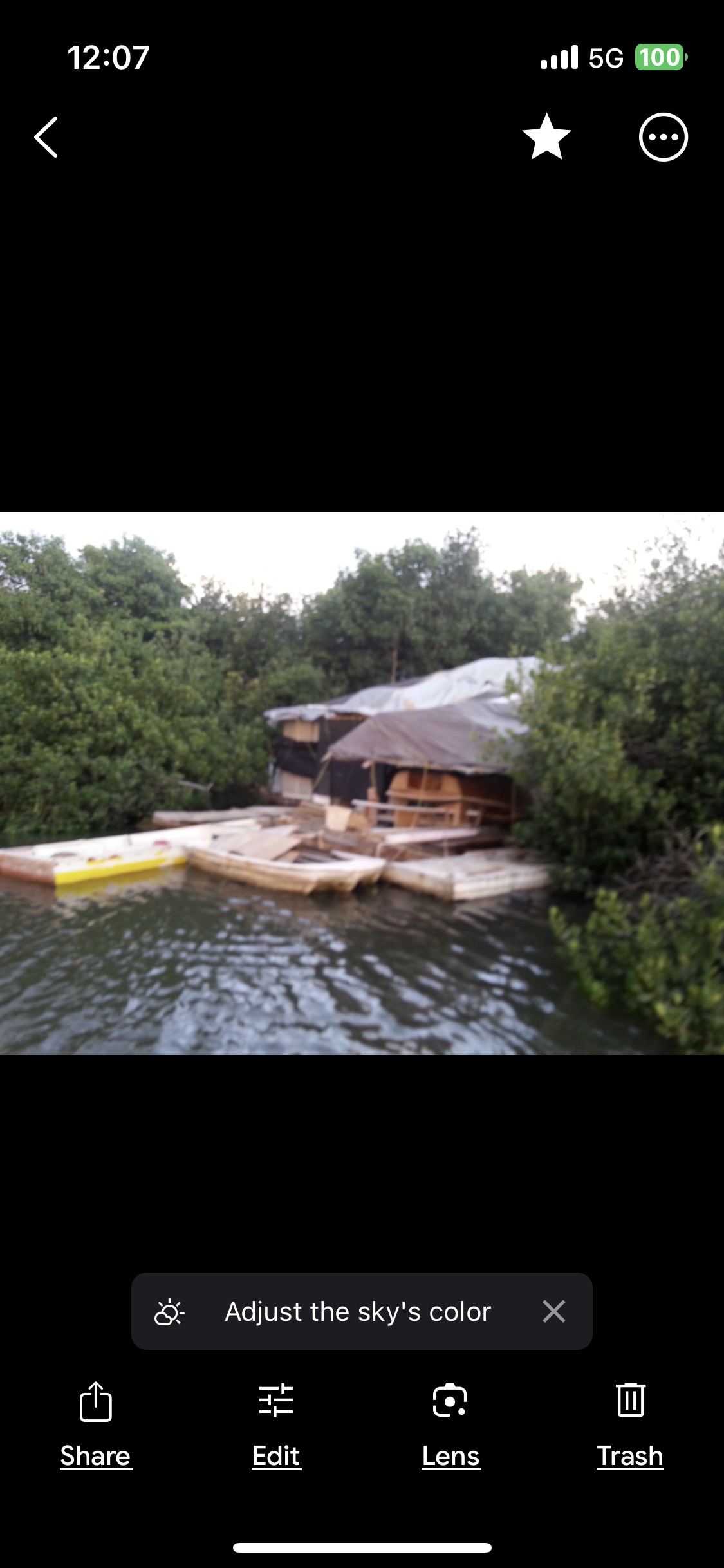
The south side of the river is narrower. The full-size two-story home — which extended nearly halfway across the original waterway — is simply too large to fit. The builder physically cuts the house in half, removing an entire section of the structure, in order to make it fit on the new side of the river. It is a remarkable act of adaptation and determination.

Eventually Leaving the Water

After years of sustained pressure from the state and city, the builder ultimately moves off the river entirely. The floating home — built by hand, lived in for 10 years, cut in half and relocated — is left behind. But the story of what was built, and how it was lived, endures.

A Note from the Builder

This home was not built out of desperation. It was built out of skill, resourcefulness, and a vision for what self-sufficient living could look like. Every system — the solar power, the rainwater filtration, the hot shower, the flushing toilet, the tilapia ecosystem — was designed and installed by one person. City officials called it "impressive." That is because it was.

In the News

The floating home on Ke'ehi Stream attracted significant media attention beginning in February 2026, when Hawaii News Now first broke the story. Coverage quickly spread to national and international outlets. Below is a complete record of every major news story published about the home, in chronological order.

Feb 26
2026
Hawaii News Now — Original Report

“Floating monster home for homeless looms over Honolulu stream”

Hawaii News Now reporter Daryl Huff broke the story, describing the two-story floating structure anchored in Ke'ehi Stream in Kalihi. City officials toured the site and described the construction as “impressive” — noting it was the only structure in the area that actually floated. The segment aired on television and was published online, drawing immediate public attention.

Feb 27
2026
Reddit — r/Hawaii Community Discussion

“Floating monster home for homeless looms over Honolulu stream”

The Hawaii News Now story was shared on Reddit's r/Hawaii community, where it received 141 upvotes and 50 comments. Community reactions ranged from admiration to commentary on the city-state jurisdictional confusion. One commenter noted: “sometimes homeless people aren't dumb or lazy — just very very very unmotivated to be part of society.” Another wrote: “The ONLY reason the C&C is hellbent on destroying their monster home is because they bypassed the corrupt 'pay to play' DPP.”

Mar 2
2026
The Sun (UK) — International Coverage

“Curious case of monster two-story 'houseboat' looming over city stream”

The story crossed the Pacific and reached the United Kingdom, with The Sun publishing a feature on the floating structure. The article noted that city officials admitted the cleanup could take months, and highlighted the jurisdictional dispute between the city and state that had allowed the structure to remain for so long.

Mar 3
2026
New York Post — National Coverage

“Hawaii's homeless avoid encampment sweeps using massive, two-story houseboat with solar panels”

The New York Post brought the story to a national American audience, emphasizing the solar-powered self-sufficiency of the structure. The article quoted Honolulu's director of homeless solutions Roy Miyahira and housing nonprofit executive Laura Thielen. It confirmed that the state had previously conducted a sweep of the south shore — only to find the structure had “moved across the stream” to the city's jurisdiction. The city aimed to have the area cleared by end of April 2026.

Mar 3
2026
Daily Mail (UK) — International Coverage

“Floating two-story 'monster encampment' built by homeless people in kayaks looms over Hawaiian capital: 'It's impressive what they've built'”

The Daily Mail ran a detailed feature noting that the makeshift structures had been growing along Ke'ehi Stream for nearly two years. The headline quote — “It's impressive what they've built” — came directly from city officials. The article described the structure as a “giant eyesore” while simultaneously acknowledging the extraordinary engineering skill required to build and maintain it.

Mar 3
2026
Hawaii News Now — Follow-Up Report

“Sustained effort needed to remove camp with huge homeless structure”

Hawaii News Now followed up confirming that the city hoped to remove squatters and begin taking down the structures within approximately two months. Officials acknowledged the difficulty of the task: the dense vegetation, the soft ground (which had previously caused a bulldozer to sink), and the city-state jurisdictional boundary running through the middle of the stream all complicated any removal effort.

Mar 13
2026
KITV4 / Hawaii News Now — Breaking News

“Home gets swept into the ocean near Keehi Stream”

A powerful Kona low storm struck Honolulu on the night of March 13, 2026. The Honolulu Fire Department was alerted to a distressed boater incident at 2475 N. Nimitz Hwy. just after 9 p.m. A section of the floating home structure was dislodged by the storm surge and swept into the ocean. One resident described the scene: “Hectic, hectic, it was bad. Our floater, our other house…”

Mar 15
2026
Hawaii News Now — Storm Aftermath

“Reservoir check, drifting house among Honolulu storm aftermath”

Two days after the storm, Hawaii News Now reported that the floating structure had traveled from Ke'ehi Stream to Moanalua Stream. Drone footage showed that most of the remaining structures at the encampment had survived the storm intact, though surrounded by floating debris. Residents were returning by rafts and small boats to assess the damage.

Latest Update
Mar 22
2026
Hawaii News Now — Breaking (Today)

“Floating house carried off by storms, turns up at Keehi Lagoon”

In the latest development, Hawaii News Now confirmed that a section of the floating home from the Kalihi Stream encampment has now washed up on the shore of Keehi Lagoon — visible from the highway. The structure, which the builder hand-built and lived in for a decade, has been carried by storm waters from its original location on Ke'ehi Stream all the way to the lagoon shore. The story that began with one person building a home on the water has now come full circle.

The Lawsuit Against the State

On January 16, 2025, Keith David Ricky Fujiwara filed a formal Complaint for Declaratory and Injunctive Relief in the Circuit Court of the First Circuit, State of Hawaiʻi, against the Department of Land and Natural Resources (DLNR) and Harbor Master Debra Dudoit, in both her official and individual capacities. The case is brought under the KEITH DAVID RICKY FUJIWARA MEGA TRUST, which holds the houseboat and tender as protected trust assets.

Background: 10 Years of Implied Approval

For over a decade, Defendants conducted multiple cleanup sweeps in the harbor area, removing other structures while knowingly allowing the houseboat to remain. In 2016, then-Governor David Ige viewed the houseboat from across the river alongside other officials, and no objections were raised. The Complaint establishes that this sustained inaction constitutes implied consent and acknowledgment of the houseboat’s lawful presence. Only recently did Defendants initiate enforcement actions threatening to remove the houseboat and impound the 14-foot tender — the only means of daily transportation between the home and the nearest land access point.

Nine Counts Filed

Count I

Equitable Estoppel

The government’s decade of inaction created reasonable reliance. Under HRS § 1-1 and Hawaiian common law, the principle “Silence implies consent” (Qui tacet consentire videtur) establishes that the State tacitly consented to the houseboat’s presence.

Count II

Violation of Due Process

Defendants failed to provide adequate notice or a meaningful opportunity to contest enforcement actions, in violation of HRS § 91-9 and the principle established in Goldberg v. Kelly, 397 U.S. 254 (1970): procedural due process is required before deprivation of significant property interests.

Count III

Fifth Amendment Violation

The threatened removal of the houseboat and tender constitutes an uncompensated taking in violation of the Fifth Amendment and HRS § 101-31. “Private property shall not be taken or damaged for public use without just compensation.”

Count IV

Adverse Possession

Plaintiff satisfied the statutory requirements for adverse possession through continuous, open, and exclusive use of the property for over 10 years under HRS §§ 669-1 and 501-87. “Possession is nine-tenths of the law.”

Count V

Grandfathering Protections

Under HRS § 91-4(a), rules shall not be retroactive. Enforcement of new regulations against a lawful preexisting use of over 10 years violates the principle: “The law protects vested rights.” (Lex prospicit, non respicit)

Count VI

Breach of Fiduciary Duty

Under HRS § 554A-5, fiduciaries must act in the best interests of trust beneficiaries. Defendants, as fiduciaries under the trust, violated this obligation by threatening protected trust assets, contrary to Cigna Corp. v. Amara, 563 U.S. 421 (2011).

Count VII

Violation of Arbitration Clause

The trust’s binding arbitration clause, enforceable under HRS § 658A-6, mandates that disputes be resolved through arbitration. Defendants bypassed this requirement entirely. Pacta sunt servanda — an agreement entered into voluntarily shall be honored.

Count VIII

Violation of UCC-1 Financing Protections

A valid UCC-1 Financing Statement filed under HRS § 490:9-501 secures the trust’s property from unauthorized seizure. Defendants’ threatened interference with these secured assets violates established creditor protections. Qui prior est tempore potior est jure.

Count IX

Arbitrary and Capricious Enforcement

Defendants selectively enforced regulations against Plaintiff while permitting similarly situated parties to remain unaffected, in violation of HRS § 91-14(g) and the equal protection standard of Village of Willowbrook v. Olech, 528 U.S. 562 (2000).

Relief Requested

The Complaint requests: (1) a preliminary and permanent injunction preventing removal of the houseboat and tender; (2) declaratory relief affirming the houseboat and tender as protected trust assets and declaring Defendants’ actions unconstitutional; (3) compensatory and punitive damages for economic losses and harm to trust property; (4) enforcement of the binding arbitration clause and UCC-1 protections; and (5) attorney’s fees and costs. A jury trial has been demanded on all triable issues.

📄 Download Full Complaint (PDF)

Filed January 16, 2025 — Circuit Court of the First Circuit, State of Hawaiʻi — Civil No.: To Be Assigned

Share This Story on Facebook

This story deserves to be heard. Follow the builder's Facebook Page to see more photos, videos, and the full account of 10 years of off-grid waterfront living in Honolulu.